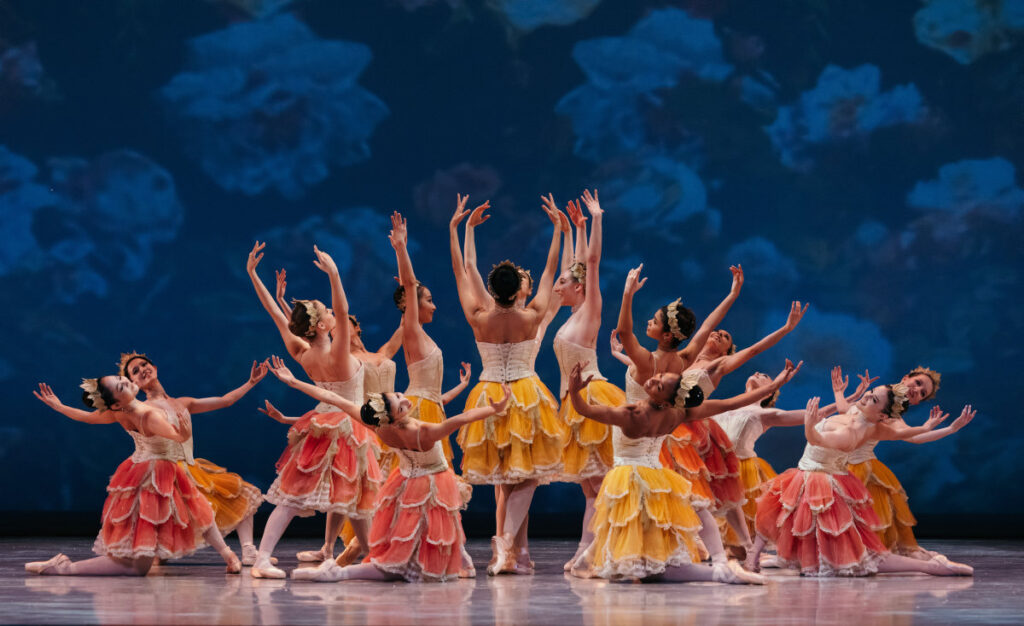
When the curtain rises at the War Memorial Opera House, the magic you see—soaring backdrops, seamless scene changes, monumental LED walls—is guided by someone who trained at San Francisco Ballet School and went on to dance with the Company.
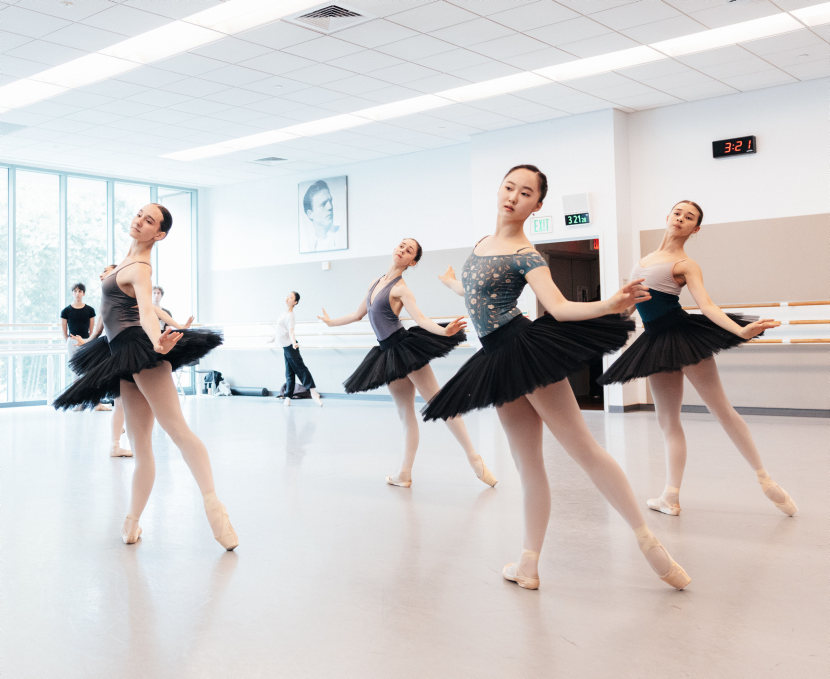
Sedley Chew’s path to San Francisco Ballet began with a summer audition where he and his sister were awarded full scholarships to attend SF Ballet School’s summer session. By summer’s end, both were invited to stay for the year. “It was culture shock,” he says. “To be among instructors of such high pedigree and so many talented male dancers—it shaped me completely.” Under the guidance of teachers including Larisa Sklyanskaya, Jocelyn Vollmar, Richard Cammack, and Henry Berg, Sedley refined the artistry that would define his performing career.
After three years at SF Ballet School, he was offered a contract by Mikhail Baryshnikov to join American Ballet Theatre. Two years later, he returned to San Francisco, where then Artistic Director Helgi Tomasson offered him a full-season contract. Sedley danced with the Company for six seasons before retiring from the stage. Sedley found a new way to connect with the artform and transitioned into theatrical stagecraft, joining the Carpentry Department in 2007.
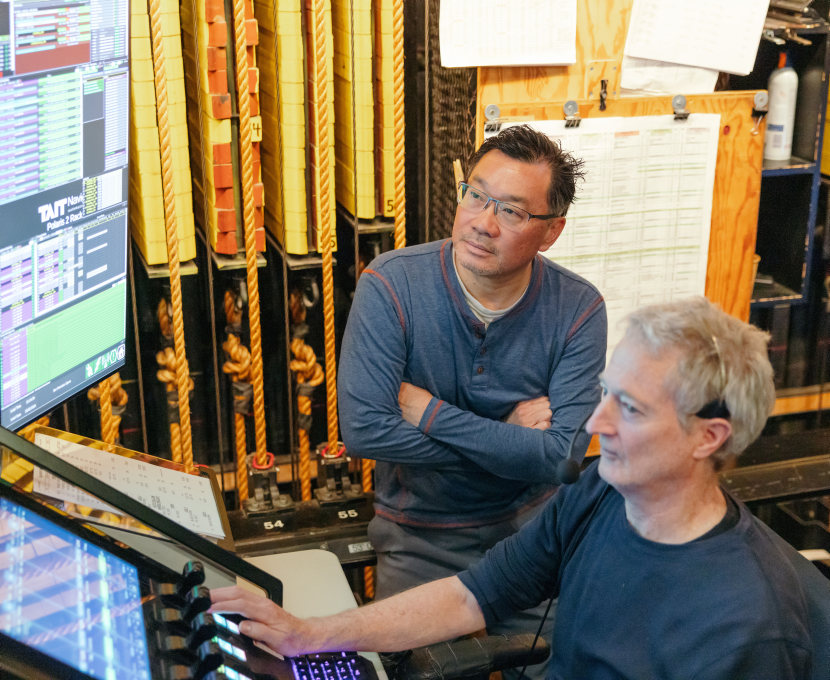
As Head Carpenter, Sedley oversees all moving and flying scenery at the Opera House—San Francisco’s largest performing arts venue and one of the largest theaters on the West Coast. Every set piece, backdrop, and precisely timed scenic cue falls under his supervision.
“My role takes on various responsibilities throughout the production process,” Sedley explains. “During the creative process, I work closely with choreographers, lighting designers, and stage management, transforming their scenic vision into visual reality.” Whether at home in San Francisco or on tour, his team coordinates cues in exact partnership with dancers, orchestra, and crew to create seamless transitions that feel effortless and often invisible to audiences.
Productions like Mere Mortals showcase the scale and precision of that work, from the positioning of LED wall screens to complex fly cues that tilt and suspend massive scenic elements above the stage. It’s high-level production in service of artistry, built by someone who understands firsthand what dancers need under the lights.
Sedley’s journey is a powerful reminder that the bonds formed at SF Ballet School don’t end at SF Ballet School Spring Festival—or even retirement. Many who train here remain part of the organization in new and unexpected ways, continuing to shape the art form from behind the scenes.