Principal Conductor Martin West on working with Mere Mortals' composer
There are moments in a conductor’s career when you step onto the podium and sense, before a single note is played, that something genuinely new is the works. In 2024, the premiere of Mere Mortals was one of those moments for me.
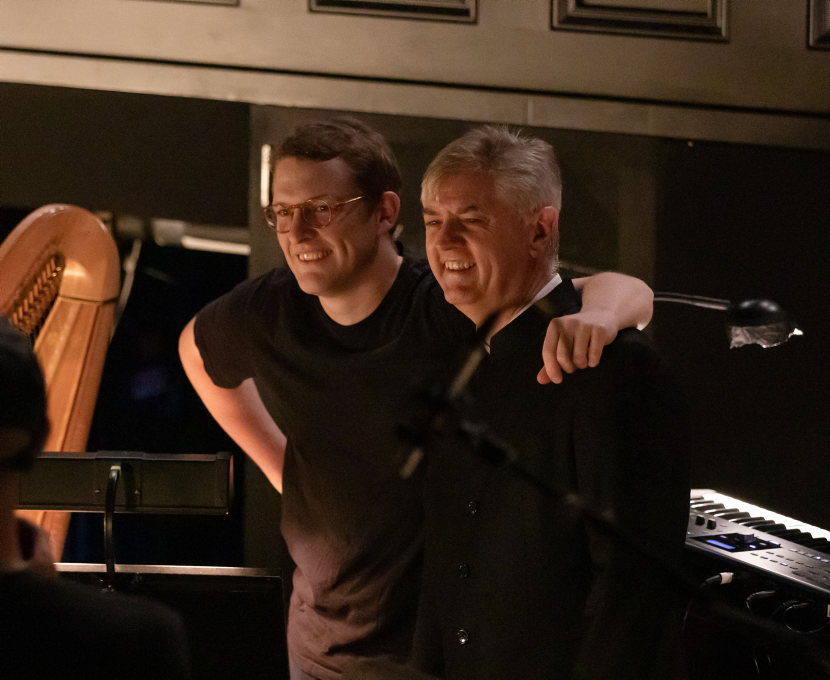
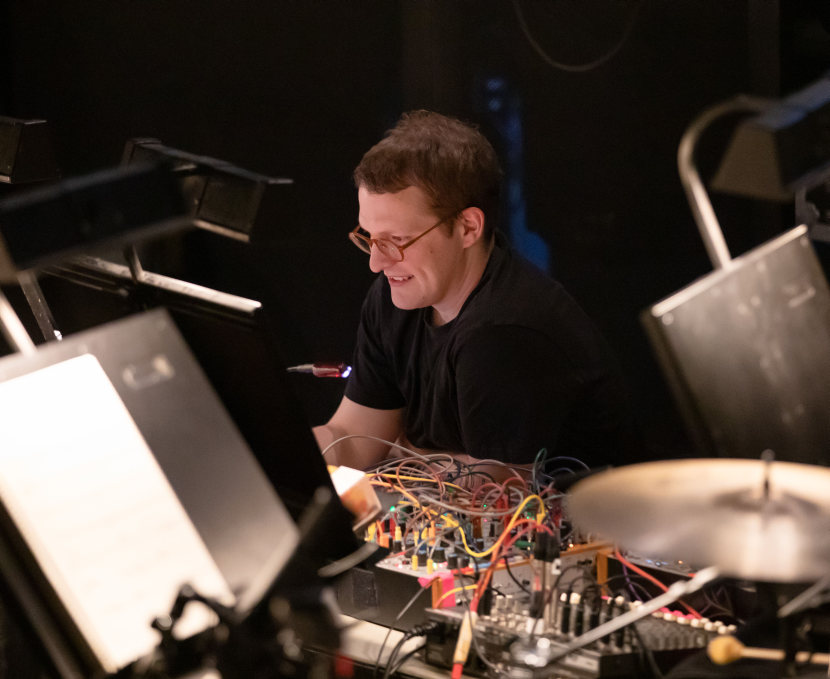
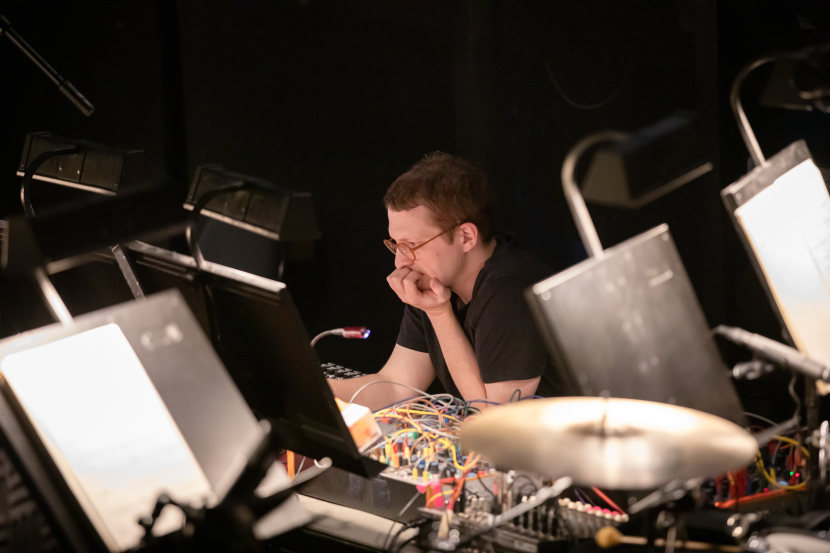
Working with Sam Shepherd, otherwise known as Floating Points, was an invigorating creative experience. He is, simultaneously, a boundary-pushing composer, a gifted producer, and—as few may know—a PhD in neuroscience. That unique combination of instinct and intellect is stamped on every bar of this score.
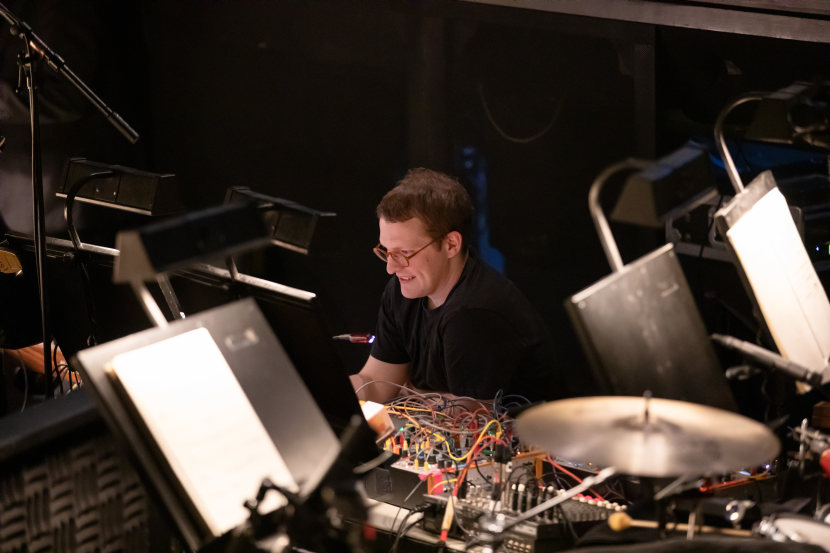
What makes the music for Mere Mortals so compelling is the way it holds two worlds in tension without letting either one overpower. On one side, there is the full weight and warmth of the live San Francisco Ballet Orchestra—the same instruments that have always shaped the sound of the ballet tradition. On the other, there are Floating Points’s electronic textures: synthesized frequencies, sculpted noise, the kind of sound design more familiar to a festival stage than an opera house pit. In lesser hands, these two worlds would simply collide but Floating Points and our extraordinary musicians make them converse.
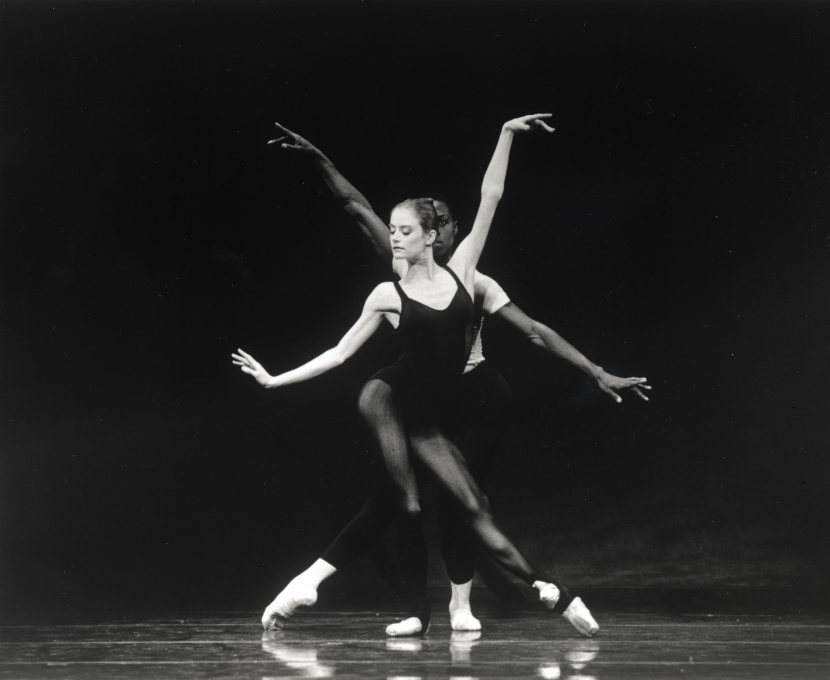
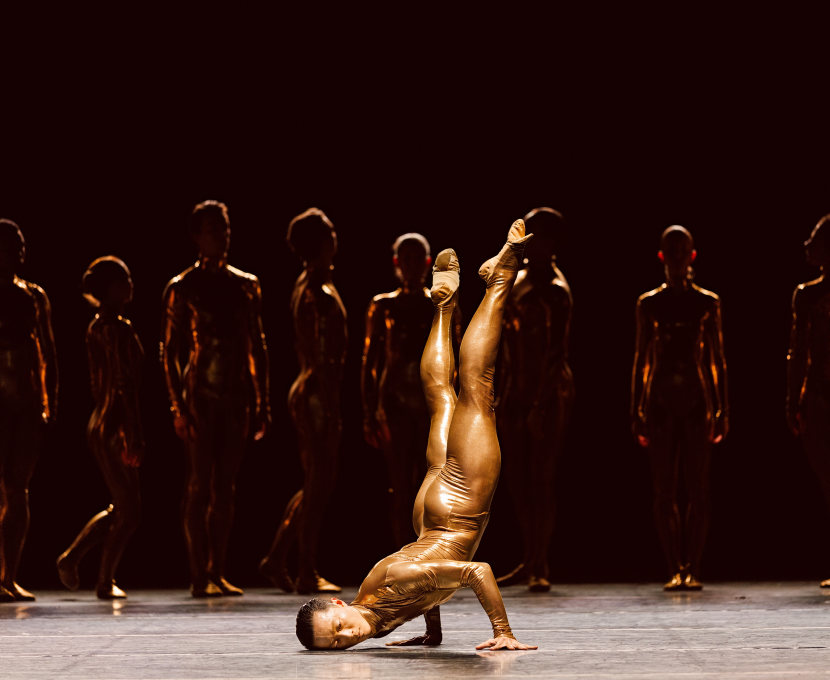
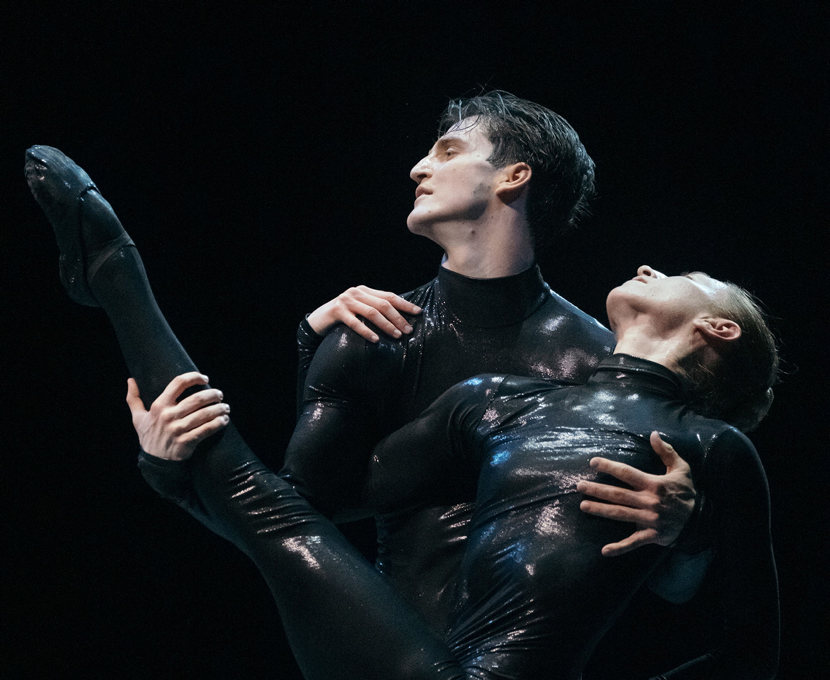
The orchestral music emerges from an electronic haze—not in contrast to it, but as if growing organically out of the same material. It is a deliberate compositional choice that mirrors the ballet’s central question: where does the human end and the machine begin? Pandora, in this telling, is not a figure of ancient myth dusted off for novelty. She resonates today: curious, reckless, brilliant, and responsible for consequences we cannot foresee.
The piece itself creates new challenges for a conductor. I must hold the orchestra together and remain responsive to the dancers, as always. But I must also function as a kind of bridge between the acoustic and electronic worlds, listening not just to the players in front of me, but to the soundscape surrounding all of us. There are times when I have to put on headphones and conduct to a click track to coordinate with Sam, and at others, I have to conduct complicated purely orchestral music whilst also giving visual cues to the stage managers so that they can call their own cues on my beats. It’s an exhausting experience. It’s a little over an hour long, but the first performance felt like I’d run a marathon by the end!
Floating Points has done something rare with this score. He has written music that is unmistakably of this moment, yet rooted in the formal discipline that makes great ballet music great. There are themes that develop, textures that breathe, and silences that speak.
Floating Points had never composed a ballet before Mere Mortals. I suspect it will not be his last.