Floating Points’ standalone single recorded with SF Ballet Orchestra is out now
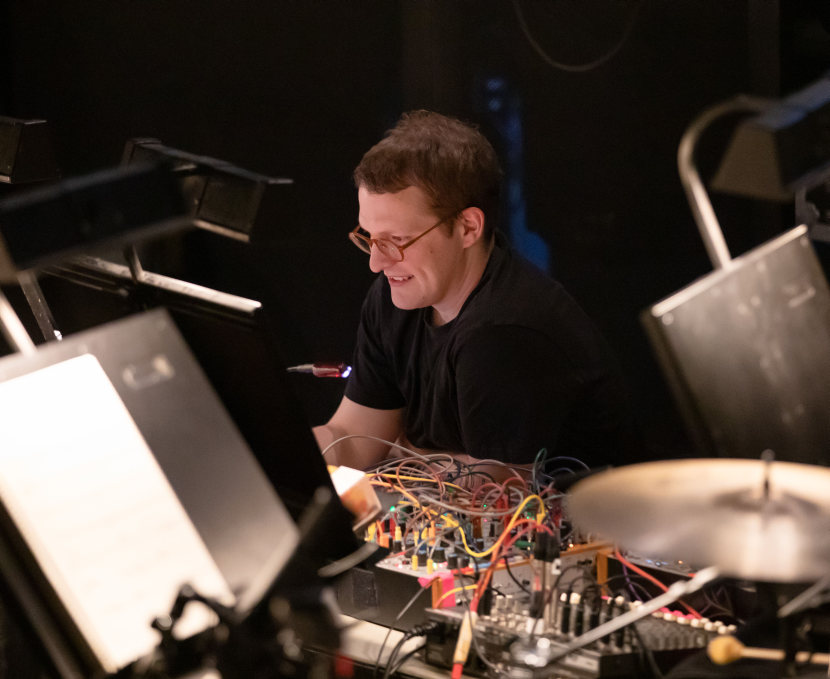
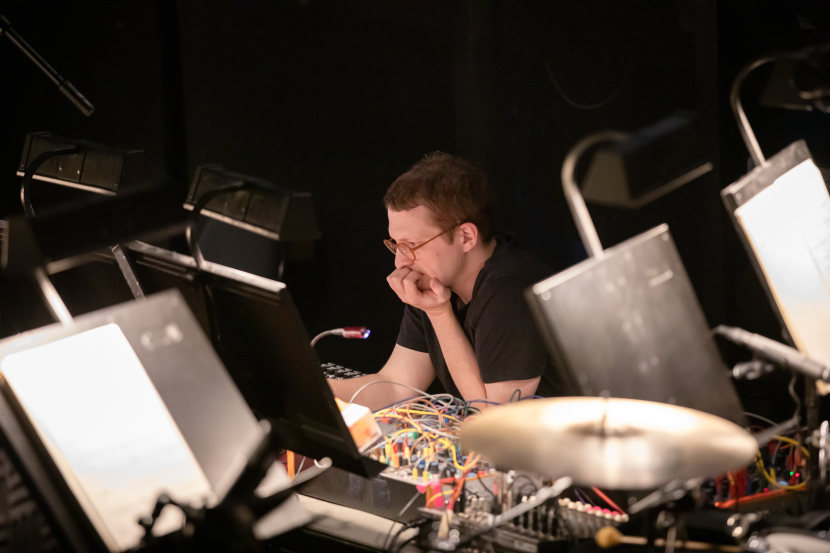
Sam Shepherd is used to making music that springs bodies into movement. Since 2008, the revered composer-producer has been sparking rapturous fits of dance worldwide; to go to a Floating Points show is to enter a joyous, sweaty communion of heaving bodies and shuffling feet, inspired by his mesmeric, genre-colliding rhythms. In 2022, however, the Mancunian found himself a long way from home, both geographically and artistically. “It was definitely an interesting time,” smiles the 39-year-old, recalling how he relocated to the Californian desert, tasked with a brief like no other he’d tackled before—to write a ballet; music made to spring bodies into movement once more, “but in quite a different way,” he laughs.
Quite different indeed. Mere Mortals—the ballet he wound up writing—is a musical retelling of the ancient Greek myth of Pandora and laced with a certain metatextual poetry. Like the story of Pandora herself, it’s the sound of a box being opened and a new epoch rushing out, in the story of one of Britain’s most respected sonic innovators. All elegiac strings, apocalyptic brass, and pulsing electronics, it’s Floating Points as you’ve never, ever heard him before. In a way, though, this was a career pivot a long time in the making. Three decades, to be precise.
“I remember being ten and going to see Steve Reich’s Music for 18 Musicians at the MEN Arena,” says Shepherd, whose father—a priest who played piano and loved music—often took him to concerts. The pair were there for the music, mostly; young Shepherd had no idea that, accompanying the classical icon’s performance that night, was Rosas, the dance company of famed choreographer Anne Teresa De Keersmaeker. Their performance—melody and movement dovetailing so beautifully—left a profound mark. “I had never really seen dance before, and it was just phenomenal,” he says, “these dancers running and gliding around each other.”
The power of that performance flooded his thoughts again almost thirty years later, when one night at dinner with friends, Shepherd surprised himself. By this point, the musician—also a doctor of neuroscience—was regarded as a UK club treasure, known for work that let plenty of other influences spill onto the dancefloor. First, there’d been his “soaring, beautiful electronic jazz journey” of a debut album, to quote The Guardian (2015’s Elaenia). A genre-blending revelation of a second LP followed in 2019 (Crush). Then, in 2021, arrived Promises, a collaboration with jazz great Pharoah Sanders and the London Symphony Orchestra that led to a Mercury Prize nomination, with a sell-out show at the Hollywood Bowl in Los Angeles to follow.
Present at this dinner was one Tamara Rojo—incoming director of San Francisco Ballet. “She asked me if I’d ever like to write a five-minute piece for her orchestra,” Shepherd remembers. But the composer hesitated. “How about a ten or fifteen-minute piece instead?” Rojo responded. What happened next shocked even Shepherd. “I’d never even considered writing a ballet before, but I replied, ‘You know, I think I’d want to do a whole show.’ And that’s how it happened,” he grins.
Shepherd was given “carte blanche,” he says. First, he began exploring the idea of a piece “about the journey of a single wave,” inspired by surfing adventures in Hawaii and other locations. Then, he turned his focus instead to the idea of the Manhattan Project—a ballet that would mimic the explosion of 1945’s Trinity Test and what it means for “a scientific endeavor to have these drastic consequences.” However, with Christopher Nolan’s Oscar-winning cinematic epic Oppenheimer also on the cultural horizon, that felt unwise. Luckily, the musician’s partner, the acclaimed dancer and choreographer Hannah Ekholm, intervened, charting him a new course. “She was like, ‘you know you’re writing the story of Pandora, right?’”
Ekholm was right; the story of the invention of the atom bomb was very much a 20th-century repackaging of the ancient Greek tale of a woman entrusted by Zeus with a box she’s forbidden from opening. The opening of Pandora’s box in that myth unleashes a tidal wave of evil upon the world that dooms humanity to continuous chaos and collapse—an idea that fascinated Shepherd for its modern-day analogues. “Every day there’s a new Pandora, right? A new can of worms being opened,” he laughs, despairingly, of our rapidly changing reality in 2026.
Also fascinating to him were the gender politics of the story and how it’s been passed down over the years. Inspired by the academic, author and podcaster Natalie Haynes, Shepherd began to research the way cultural bias and misogyny had woven into the telling of Pandora’s story throughout time. “I always thought of Pandora as being a beautiful evil, as per the translation of Erasmus,” he says. But delving into the original Greek text through Haynes’ writing revealed to him a different character altogether. “The translations [of her story] really robbed her of her agency and intent. Pandora’s not about bringing hell to Earth. She really represents curiosity and change. Haynes explains the ‘beautiful-evil’ description objectifies her positive attributes and moralizes her negative attributes, whereas the original text merely describes her as the more oxymoronic, good-bad.”
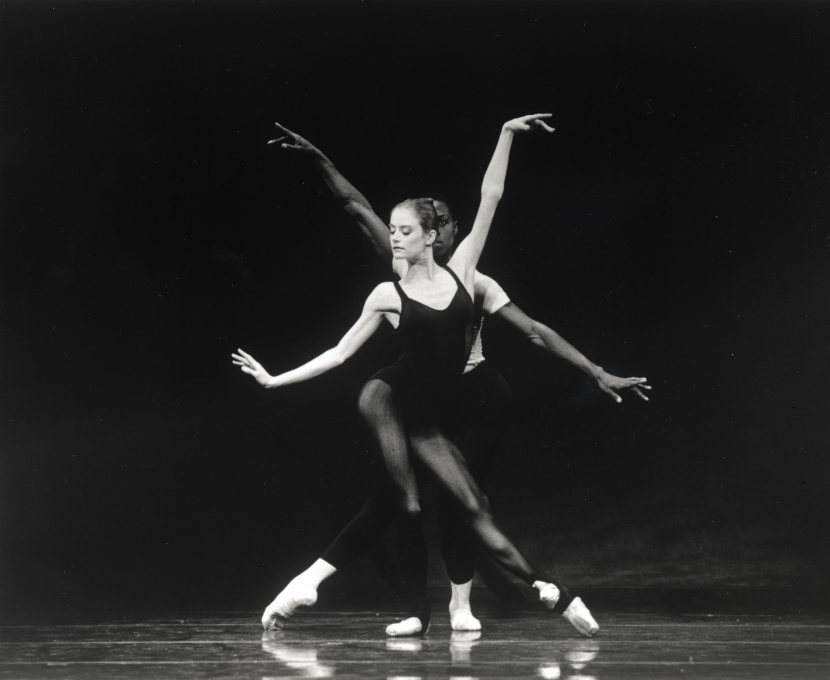
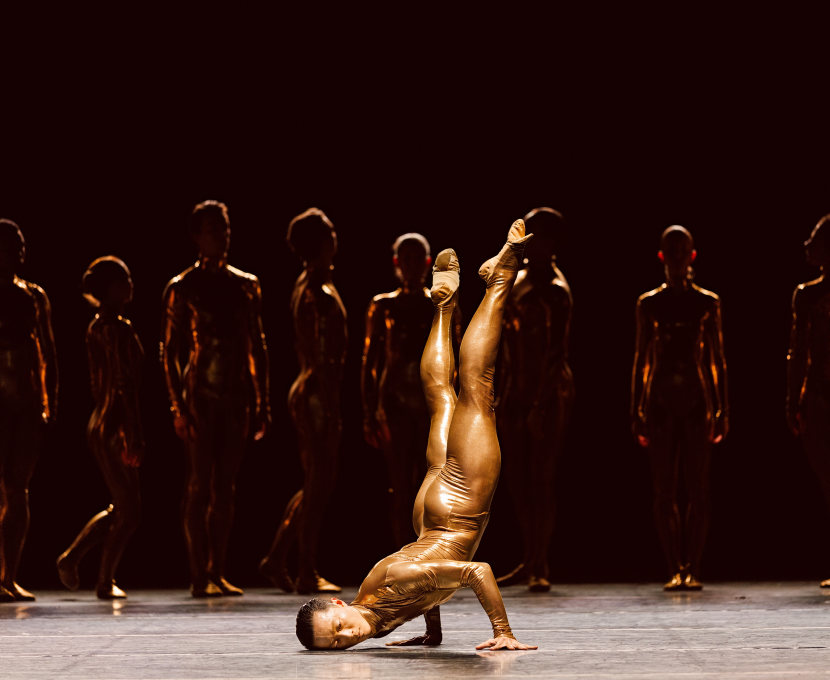
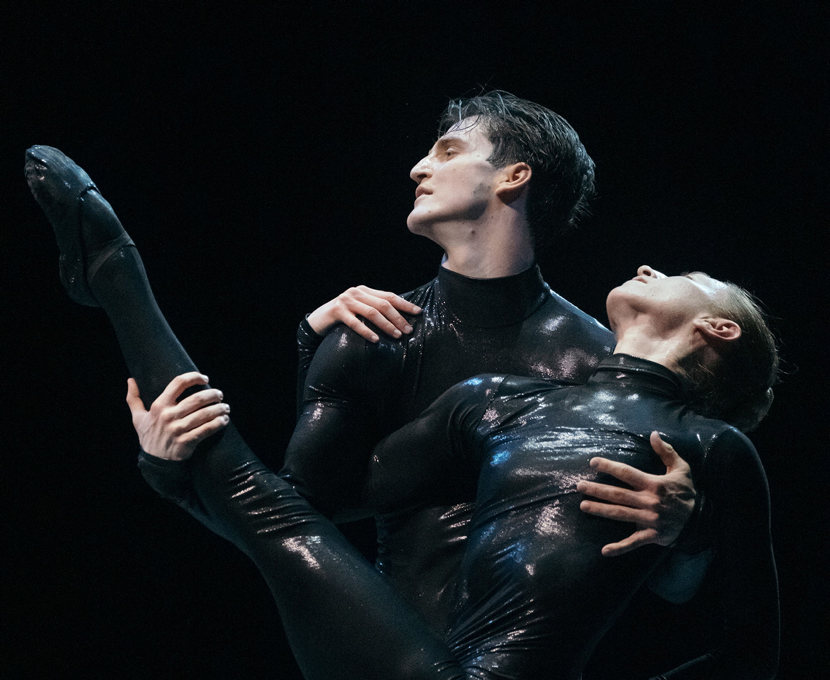
That revelation unlocked a body of music that pushed the Floating Points project—and the Pandora myth—into exciting new unknowns. Mere Mortals made its debut at San Francisco Ballet on January 26, 2024, accompanied by stunning choreography from Aszure Barton, whom Shepherd and Rojo had been excited to collaborate with. The music captivates, even without dance accompaniment. Split into fourteen tracks for this audio release, it begins with violin beauty that teeters towards dissonance and destruction (“The Gift of Fire”). Elsewhere, pummeling percussion propels “Rage Of The Gods” before flutes flutter at the crescendo of “Pandora’s Theme.”
But it’s the tail end of the record that perhaps offers the greatest moments of invention on Shepherd’s part, though, imagining a new ending to the Pandora myth that speaks to the climate crisis future humanity may be sleepwalking toward. Mere Mortals ends with hope escaping from Pandora’s box in the form of a bird who is set free and takes flight, but finds herself with no place to land, circling an Earth reduced to ash. “My favourite part of the whole process was writing this piece—to explore the story beyond its end and imagine a conclusion,” says Shepherd.
What happens next? Where does Floating Points go from here? His 2024 album Cascade—a tribute to the landmarks of his early days in Manchester suburb Bolton, falling in love with thumping beats and the heady thrills of dance music—proved that the producer may never fully depart the clublands in which he made his name. But more than ever, after the dizzyingly explorative Mere Mortals, it feels like Sam Shepherd could go anywhere; his music to spring bodies into movement more boundless than ever before.
Floating Points’ standalone single, “Falling from Earth,” an extended excerpt from the forthcoming album Mere Mortals, is an extended track for synths and orchestra recorded with San Francisco Ballet Orchestra. Available to stream and download wherever you get your music.