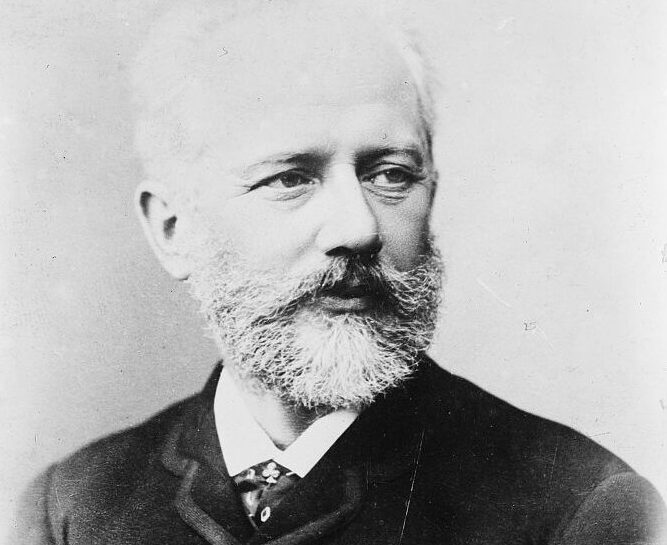
Portrait of Peter Ilyich Tchaikovsky // Public domain
Meet the Russian composer behind ballet’s most beloved scores
Peter Ilyich Tchaikovsky is best remembered today for three ballet scores—Swan Lake, The Sleeping Beauty, and Nutcracker—which remain among the most famous compositions for ballet ever written, even though they represent only a fraction of his output. Born in Kamsko-Votinsk, Russia, on May 7, 1840, he composed nine operas, six symphonies, four concertos, and countless songs and overtures over a 25-year career, but it’s the ballets that made him immortal.
Even at the age of six, Tchaikovsky loved music so much that he was prepared to bleed for it—literally. He practiced piano every chance he had, and when he couldn’t, he would tap out the tune he made up in his head on the house’s windowpanes. One time, he tapped so hard that he broke the window, cutting himself badly on the glass. But nothing could lure Tchaikovsky away from composing.
A precocious child, Tchaikovsky was reading Russian, French, and German by the time he was six. After attending boarding school, he studied law and mathematics and worked in the Ministry of Justice as a clerk. After four years, he quit to follow his original passion: music. Soon after he began attending music school to study composition full time, he was invited to teach classes.
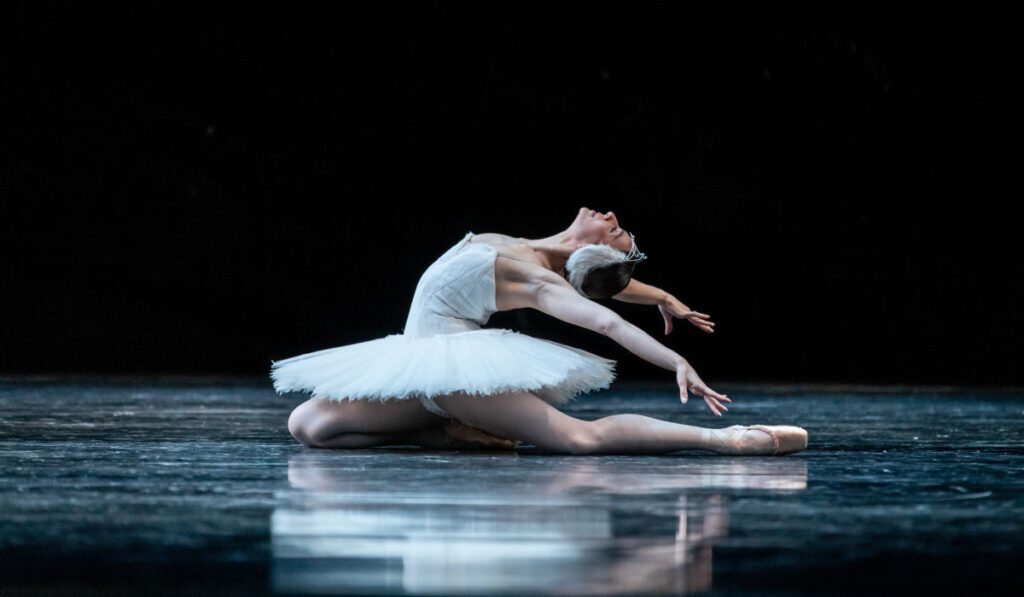
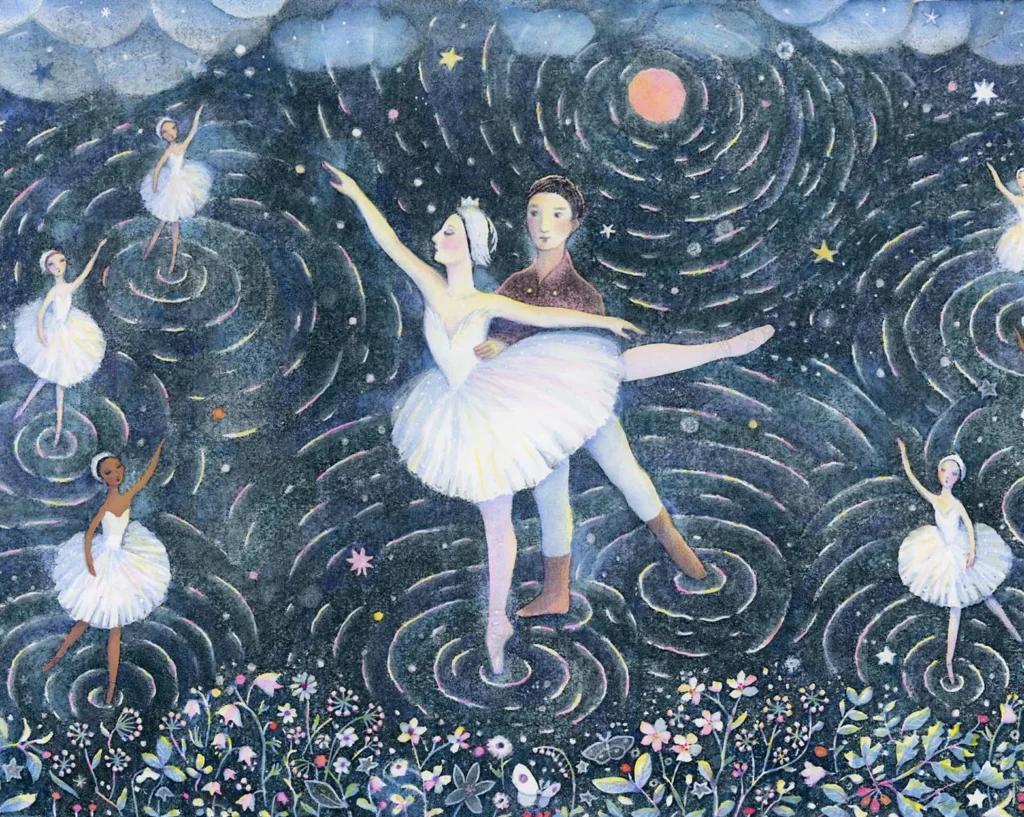
Swan Lake
Tchaikovsky composed Swan Lake in 1875-1876 on commission from Moscow Imperial Theatre director Vladimir Patrovich Begichev, and it premiered on March 4, 1877. Drawing from established ballet composers Ludwig Minkus, Léo Delibes, and Adolphe Adam, among others, as well as some of his own previous compositions, Tchaikovsky finished the score in just under a year. However, rehearsals did not go smoothly. Choreographer Julius Reisinger dubbed some of Tchaikovsky’s music “undanceable,” and Tchaikovsky had to fight to have the sections put back into the ballet. When the ballet premiered, critics wrote that the music was too complicated, noisy, and “Wagnerian.”
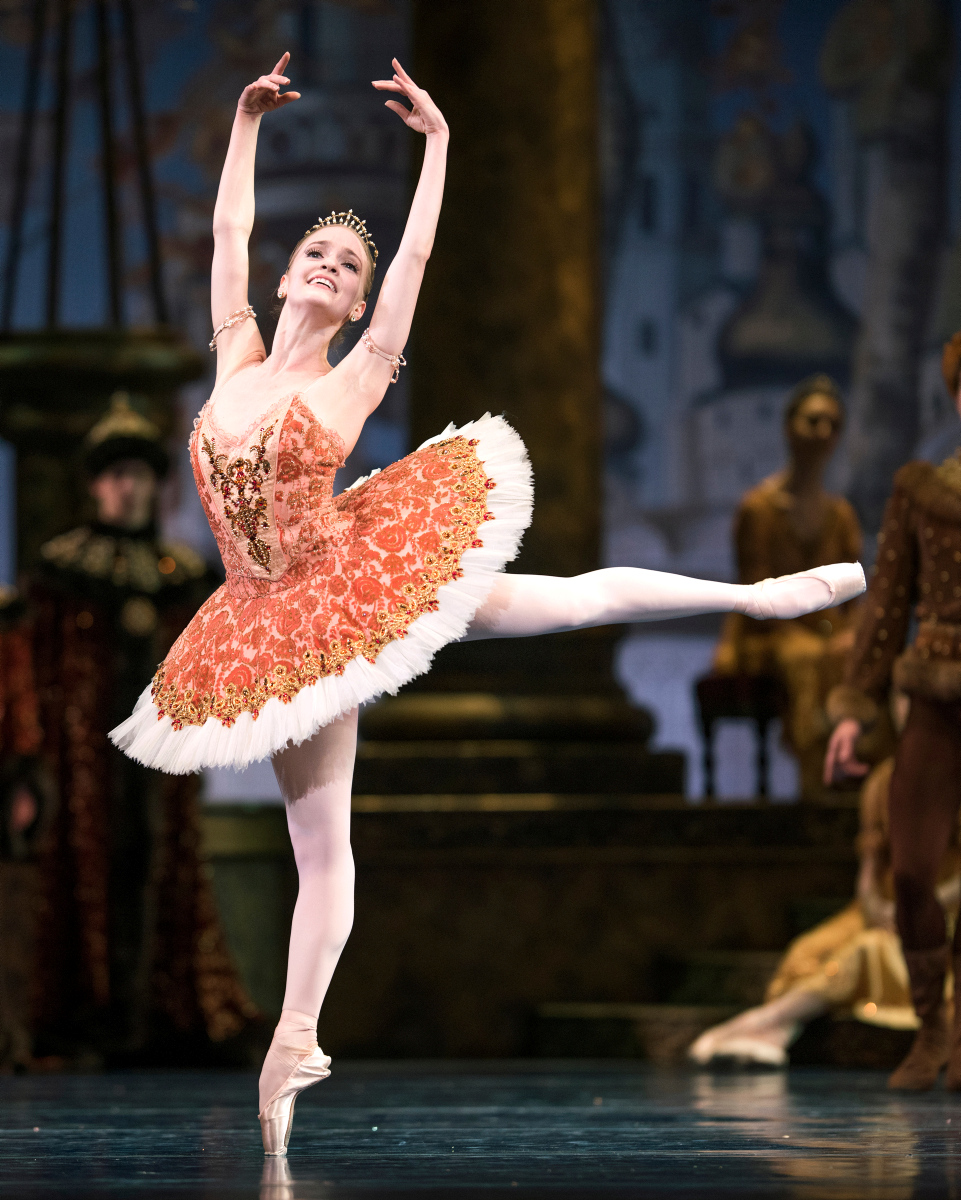
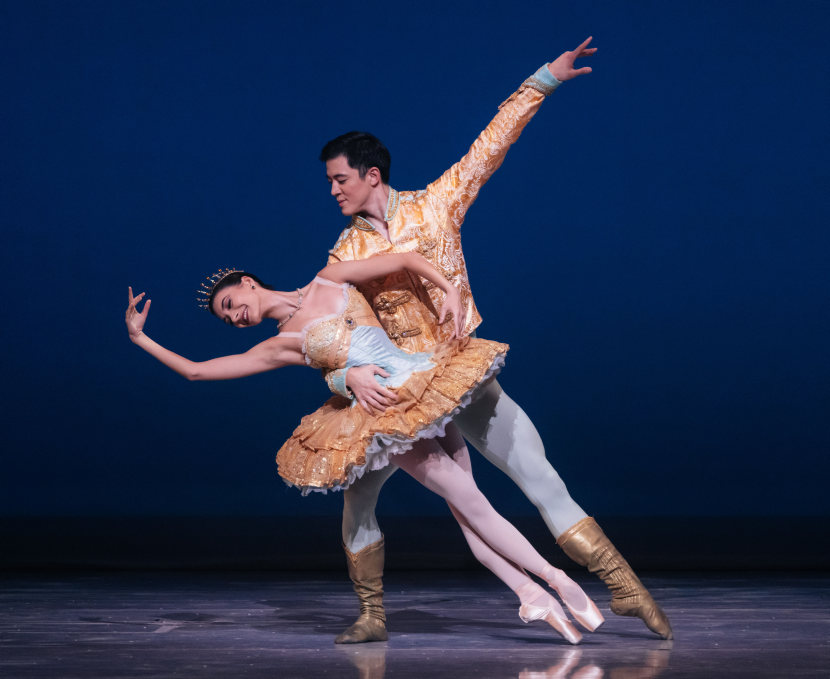
Based on the fairy tale by Charles Perrault, The Sleeping Beauty was composed between 1888 and 1889 and premiered at the Mariinsky Theatre in 1890. The project marked Tchaikovsky’s first collaboration with French ballet master Marius Petipa and Imperial Theatre director Ivan Vsevolozhsky, who envisioned the ballet as a grand tribute to imperial Russian culture. Unlike the more danceable music of earlier ballet composers like Ludwig Minkus, Tchaikovsky’s score introduced a symphonic style that many critics initially considered too complex for ballet. Nevertheless, his symphonic approach transformed the genre and helped establish ballet music as a major art form.
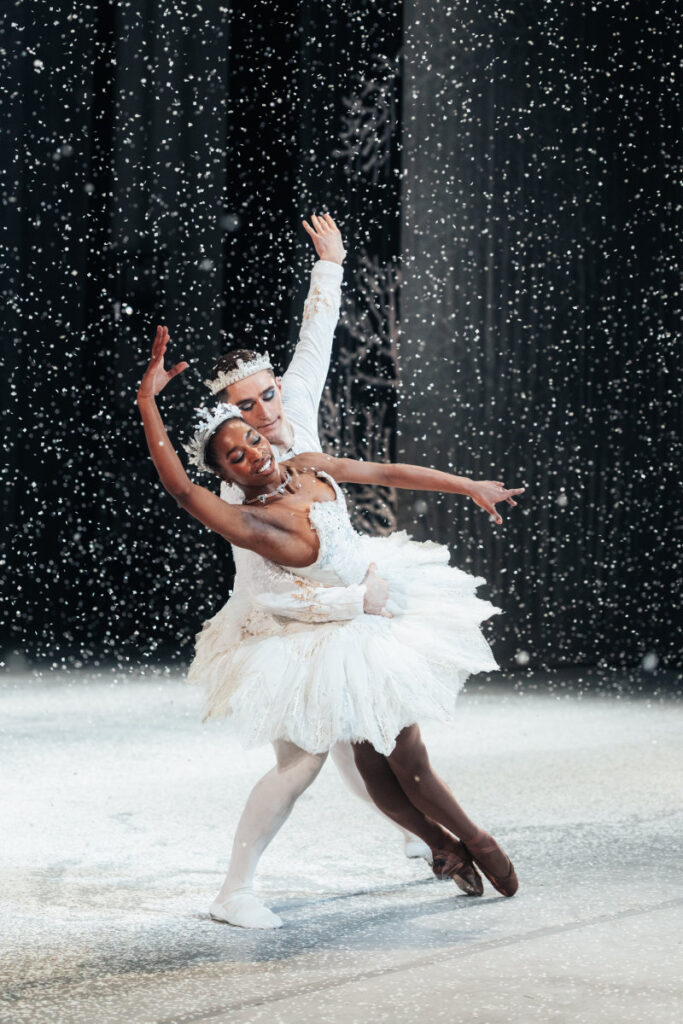
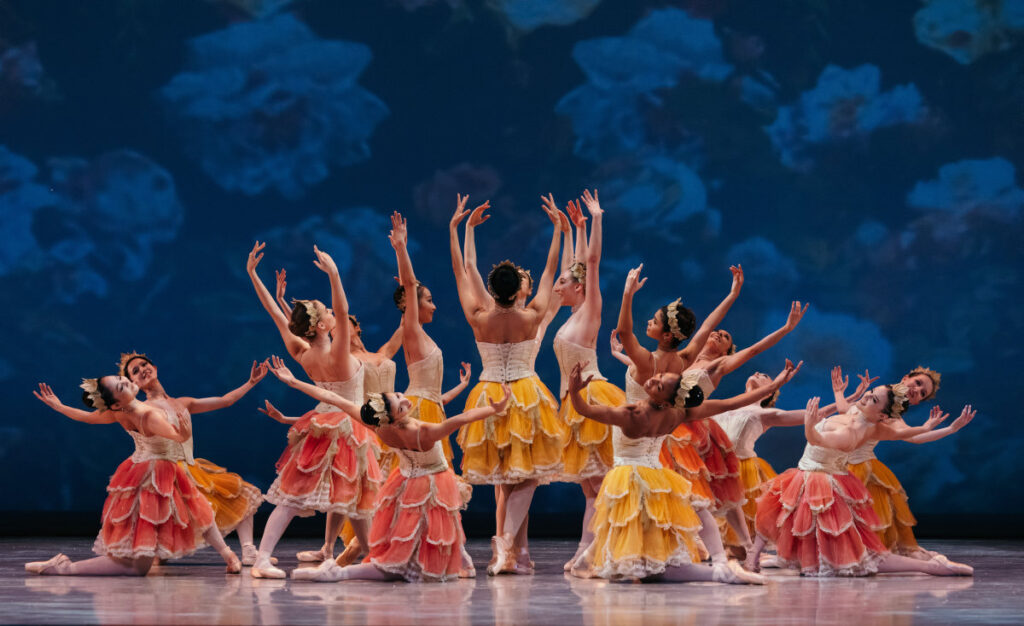
Tchaikovsky composed the Nutcracker score in pieces from 1891–1892, drawing on E.T.A. Hoffmann’s original story rather than Marius Petipa’s “Land of the Sweets” setting, which he found difficult to work around. He traveled across France and the United States in 1891, and orchestrated from February to April of the following year. Still, Tchaikovsky worked through this setback, and the final score is a masterpiece that continues to enchant audiences today, just as when it was first introduced.
Less than a year after the premiere of this ballet, Tchaikovsky died unexpectedly. He was only 53, and had just completed his sixth symphony, which he felt was the best piece of music he ever created. It was in the years after his death that Tchaikovsky’s music became the cultural touchstone that it is today.