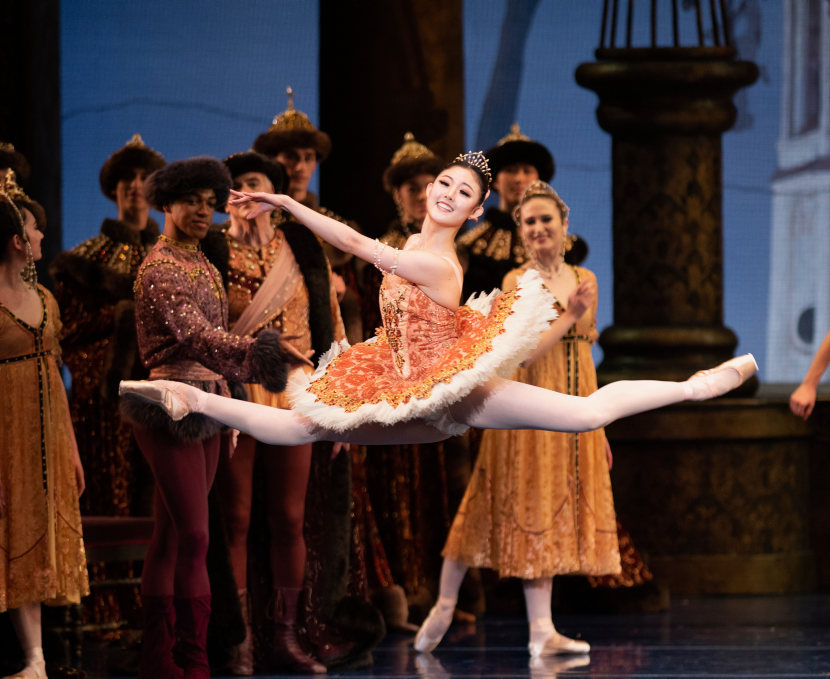
About The Sleeping Beauty
- History, Program Notes, Story Ballet
This iconic story ballet is the epitome of classical technique and style
Recipe for a sublime evening: start with one beloved, time-traveling fairy tale. Add a gilded kingdom from long ago, fairytale characters, opulent and imaginative sets and costumes, and classical ballet, all elegance and grace. The result: San Francisco Ballet’s luminous production of The Sleeping Beauty. Like the slumbering Princess Aurora, this ballet has been dozing in the wings—but for eight years instead of a century. Now revived, it’s ready to make audiences fall in love with it all over again.
Once Upon a Time: The Sleeping Beauty's Premiere
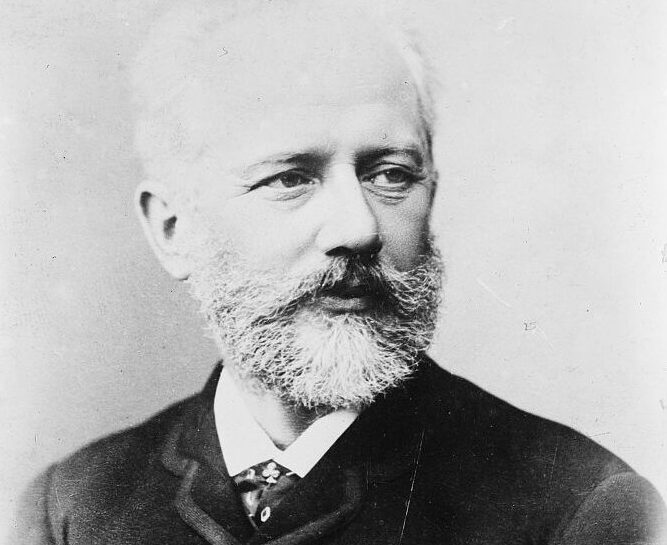
The Sleeping Beauty was born in 1890 at St. Petersburg’s Mariinsky Theatre. Choreographed by the grand master of Russian ballet, Marius Petipa, and set to music by Peter Ilyich Tchaikovsky, The Sleeping Beauty brought to life one of Charles Perrault’s fairy tales, “La Belle au Bois Dormant” (“The Sleeping Beauty in the Wood”), from his book Stories or Tales from Times Past, With Morals: Tales of Mother Goose. Perrault created a new genre of writing: the fairy tale. Based on age-old folk stories, his tales made social commentaries, targeting the aristocracy and controversies of the day. And his stories lived on, as children’s books and as the basis for movies, operas, plays, musicals—and of course ballets.
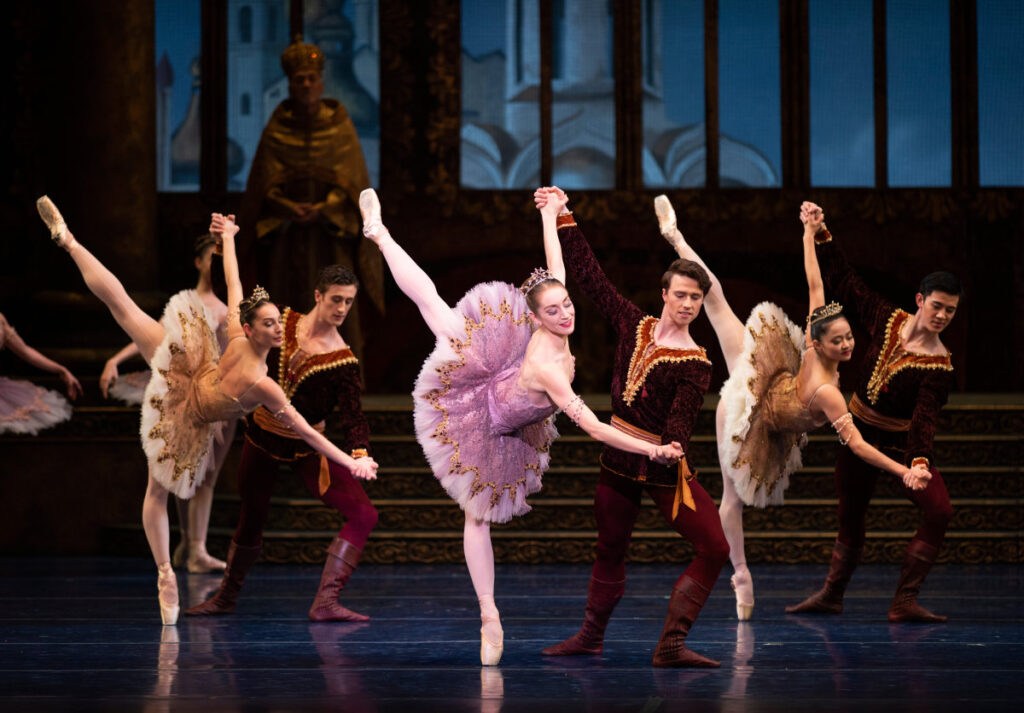
With its demanding classical roles—for Aurora and Prince Desiré, a flock of Fairies, a gathering of woodland nymphs, and the Enchanted Princess and her Bluebird—plus massive sets and spectacular costumes, The Sleeping Beauty is fare for only the top tier of ballet companies. At San Francisco Ballet, choreographer Helgi Tomasson decided his dancers were ready to take on the challenge in 1990. Working with scenic and costume designer Jens-Jacob Worsaae, Tomasson created a brand-new production of this beloved classic, setting it in Russia in the 1600s and 1700s, before and after the reign of Peter the Great. This imaginative design concept shows the passing of a kingdom’s 100 years of slumber via dramatic changes in costuming.
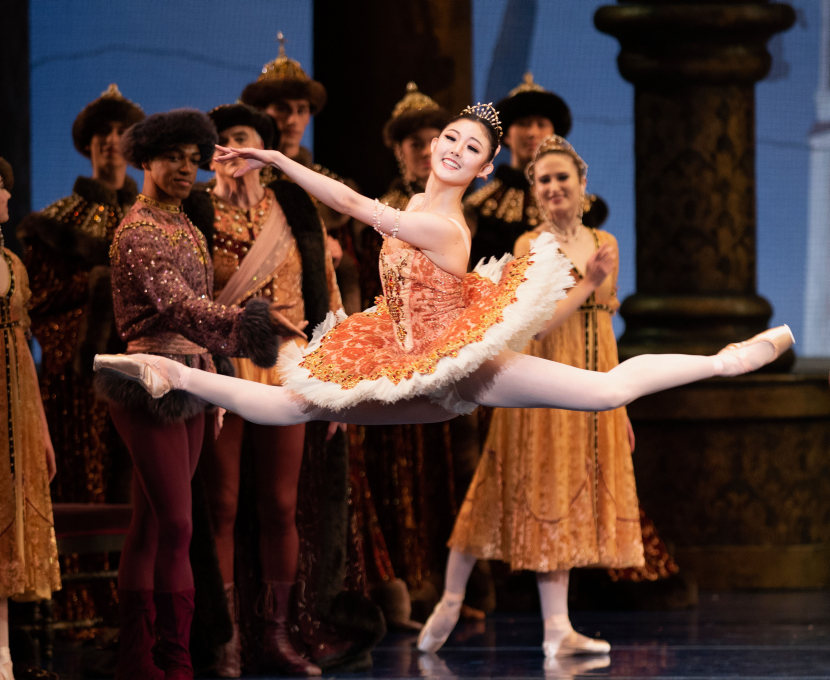
The Prologue and Act I are in the old Russian style, while the rest of the ballet reveals the Western influences that Peter the Great brought to the Russian court—fashions from Italy and France. This year’s production has been revamped with costumes and an Act III set designed by Worsaae for Royal Danish Ballet. Although similar to his designs for SF Ballet, these costumes are richer, and the staircase in the wedding scene is noticeably grander. It’s a subtle facelift, but one that enhances the splendor of the original designs.
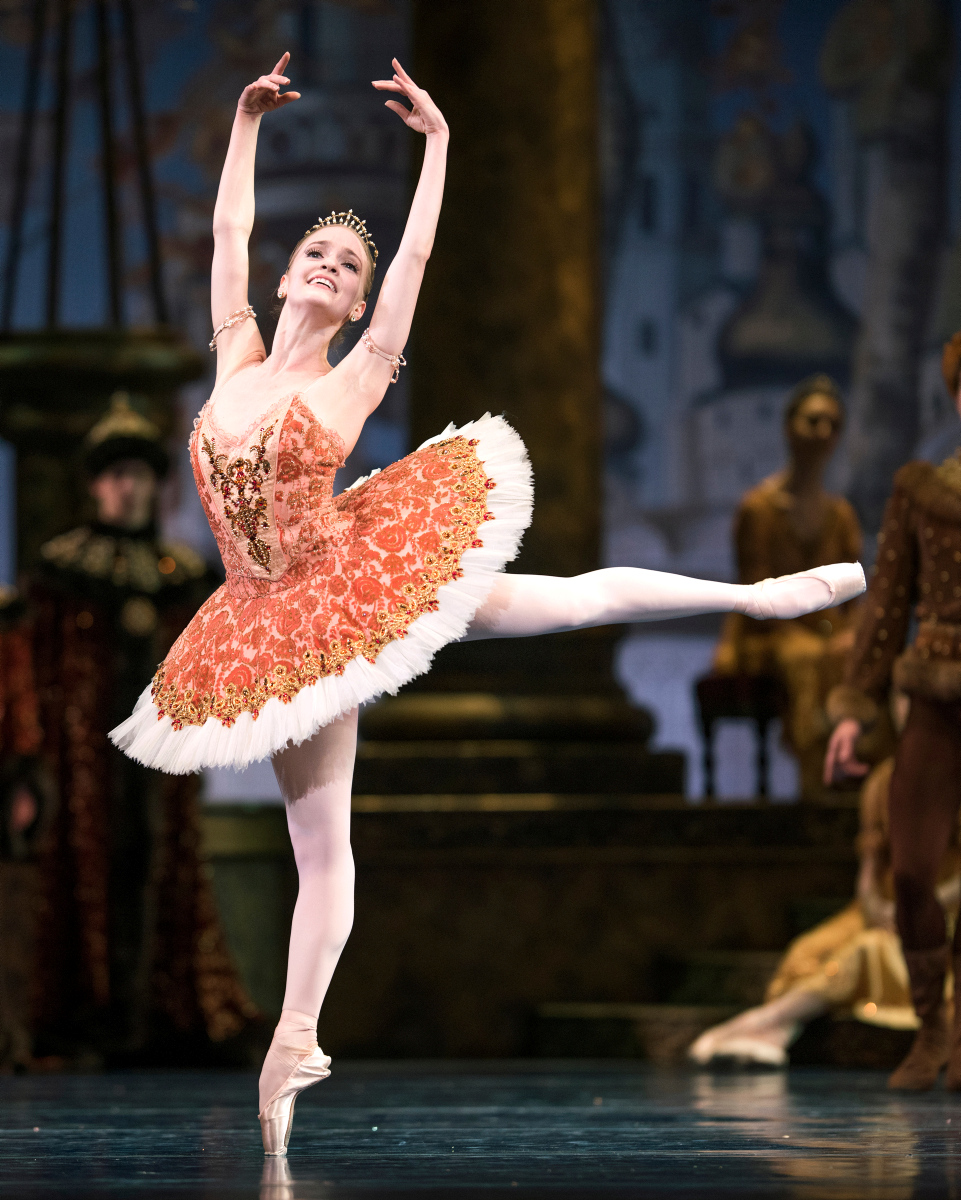
As jaw-dropping as the scenic elements are, the real glory of The Sleeping Beauty is in the dancing. Simple and clean, with graceful use of the head and neck and softness in the arms, it’s the epitome of classical technique and style—and difficult to return to when the dancers have spent months learning mostly contemporary ballets. “It’s classical technique at its purest and most beautiful,” says Tomasson. “There’s so much in it that is a huge challenge to not only Aurora and the Prince, but so many other roles—all the Fairies, Bluebird, the Jewels. Dancers need to keep up their classical strength and vocabulary, because if they don’t come back to their base, they’re going to lose it.”
The style derives from the etiquette and social conventions of the 17th- and 18th-century French court of King Louis XIV, the basis for Petipa’s aesthetic for The Sleeping Beauty. “There is a certain style in the arms, the position of the head, upper torso, and shoulders,” Tomasson says. “It has to do with aristocracy—it was very proper, very elegant, very courteous. The men don’t just bow from the head; it’s through the gesture of the hand, and the body follows.” The low curve of the arms and open carriage of the upper chest come from French court fashions. The style was intended “to show off the beauty in that period,” says Tomasson, “with those beautiful gowns and the women’s bare shoulders and gorgeous necklaces.”
dancing aurora
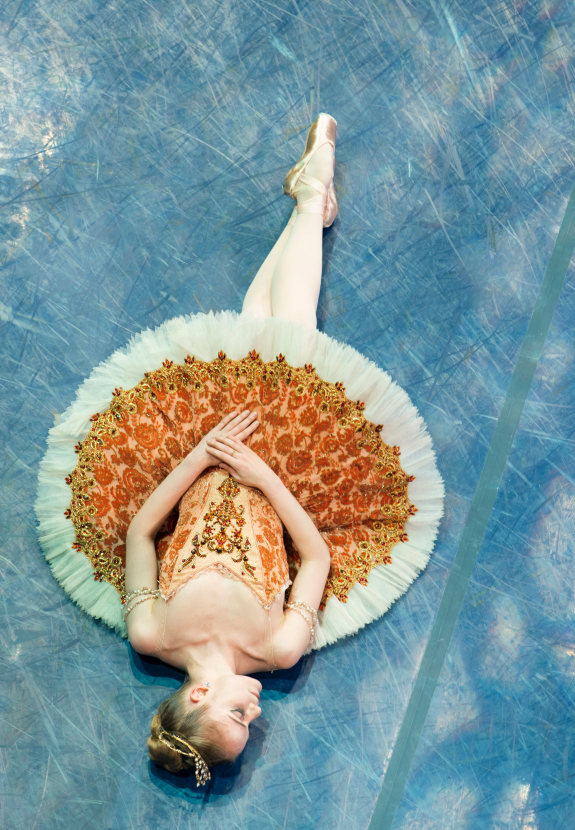
Dancing the role of Aurora ranks high on the wish list of many ballerinas. Besides demonstrating pure classical technique, rock-solid composure, and physical strength, those who dance Aurora must transform from girl to woman, from childish delight to mature love. For Principal Dancer Sasha De Sola, it’s a dream role. “It always has been,” says De Sola, adding that she used to watch a video of one Aurora incessantly, Larisa Lezhnina at the Mariinsky Ballet. De Sola was around eight when she first saw The Sleeping Beauty, “and I fell in love with it right then. The first act always captured me the most; it’s so beautiful, and the music draws you in.”
It’s the mesh of character and physicality that appeals most to De Sola, “the strength and fragility of Aurora, which is different from the strength of Kitri [in Don Quixote] and the fragility of Giselle,” she says. “I find Aurora has both, and that’s really hard to master.” Finding that balance is part of how she makes this role her own. “I always think of when [legendary former ballerina Natalia] Makarova was here setting La Bayadère—that’s also very, very classical. She kept referring to how when she watches us do contemporary [works], there’s freedom, there’s breath—she says it’s exactly the same thing [in classical ballets]. I’m trying to remember that. And you can find your own individuality in that, by musical phrasing or the juxtaposition of the brilliance of the legs and feet with the softness and the nuance of the upper body. I think it’s much harder in a classical setting to find that freedom, but it’s just as important.”
In Act I, Aurora is young, excited, nervous—and discovering her power. Later, in the “Vision” scene, when she reveals herself to the Prince and makes him fall in love with her, she’s a different person—more serene and romantic. Tchaikovsky’s remarkable score is one of the elements that can guide this transition, helping the dancer playing Aurora to discover and fully embody the character.
Storytelling through Music
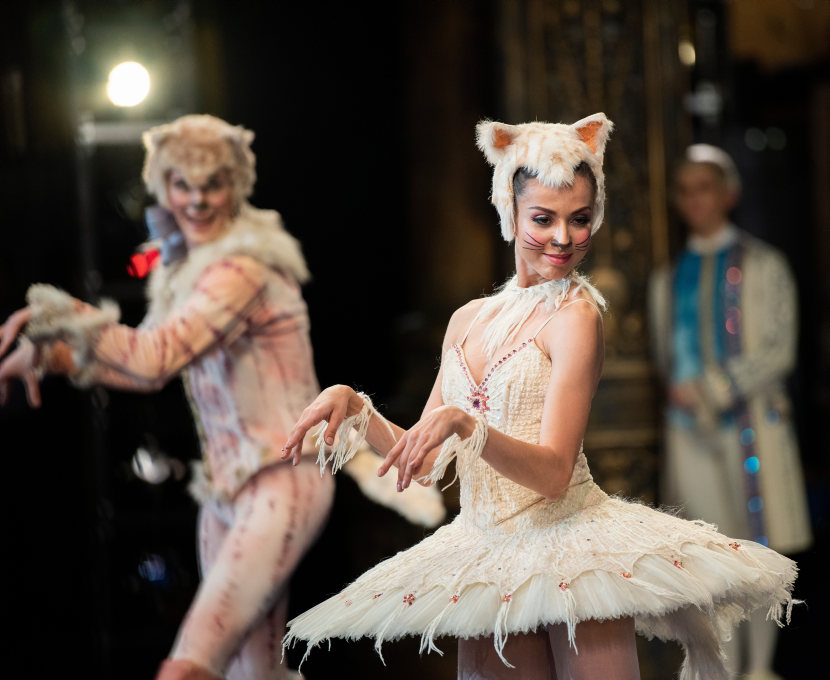
When Tchaikovsky wrote the music for The Sleeping Beauty, says Music Director and Principal Conductor Martin West, “he was a master at the height of his powers. It’s brilliant music.” It’s more refined than the composer’s other two ballets, Nutcracker and Swan Lake, West says. “You have a sense of storytelling within the orchestra.” For example, the Prologue has undertones of the Fairy of Darkness theme; later Tchaikovsky does a variation on it, “which allows him to transfer into another passage, which he’ll bring back in the Lilac Fairy theme. It’s very clever,” says West. “Some people will say, and it’s a little bit true, that there’s not as much heart in The Sleeping Beauty as there is in Swan Lake.” He thinks it’s because the third act isn’t dramatically necessary; Aurora could wake up, dance with her prince, and finito. But what’s a “happily ever after” story without a wedding and some spectacle? Two of the audience favorites in The Sleeping Beauty come in that celebratory third act, the delightful Puss in Boots and White Cat duet and the virtuosic Bluebird pas de deux. Let’s let Tchaikovsky have the last word on the music—he considered The Sleeping Beauty one of his greatest compositions.
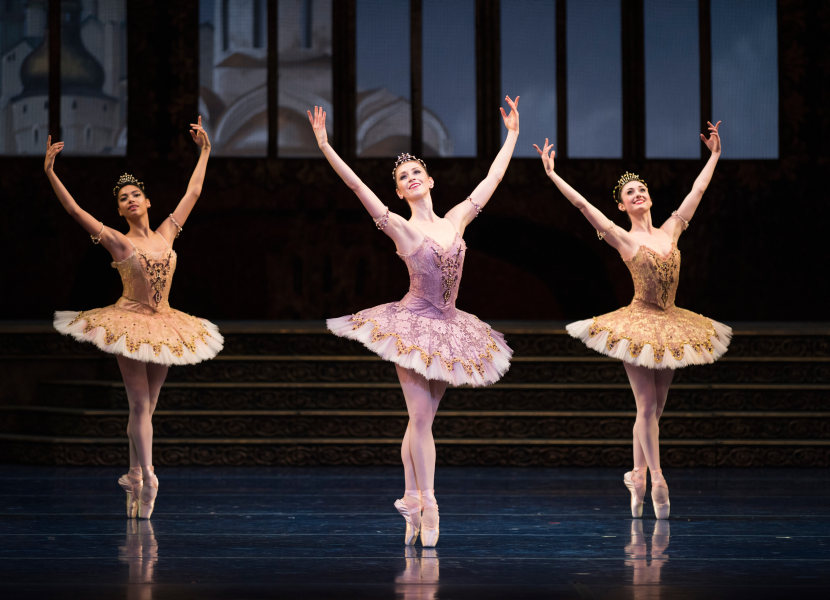
If music ushers Aurora down the path of her transformation, so do her friends the Fairies. Five of them—the Fairies of Tenderness, Generosity, Serenity, Playfulness, and Courage—attend her christening, dancing their gifts to her. (Interestingly, the Fairies in the original ballet had less lofty names: Candide, Fleur de Farine, Breadcrumbs, Songbirds, and Violante. But the Lilac Fairy has always been the Lilac Fairy, with one exception—a 1921 Diaghilev production that called her Mountain Ash.) The Lilac Fairy’s name comes from the Russian belief that placing a newborn baby under a lilac tree would bring the child fortune and wisdom, and she quickly proves how much her name suits her. Her gift to the Princess, in response to an evil fairy’s curse, is her own goodness, tempering the intended curse of death to a century of sleep.
The Fairies, like Aurora, dance with purity and precision. And in 1890 they reflected the zeitgeist—the reason Violante (today’s Courage) points her fingers is that in Russia at the time, electricity was brand-new. But not every dancer in The Sleeping Beauty has technique to worry about—the Fairy of Darkness, traditionally called Carabosse, doesn’t do a single classical ballet step. True to her nature, the Fairy of Darkness storms about the stage, furious that the King and Queen didn’t invite her to Aurora’s christening. This evil fairy is an en travesti role (meaning “in disguise”), a theatrical tradition of casting men as grotesque or powerful women. (At SF Ballet, both men and women have performed the role in past years.) The Fairy of Darkness is powerful, but she’s no match for the Lilac Fairy, who not only weakens the curse but also sends its perpetrator packing after the Vision scene, leaving Prince Desiré free to find his love.