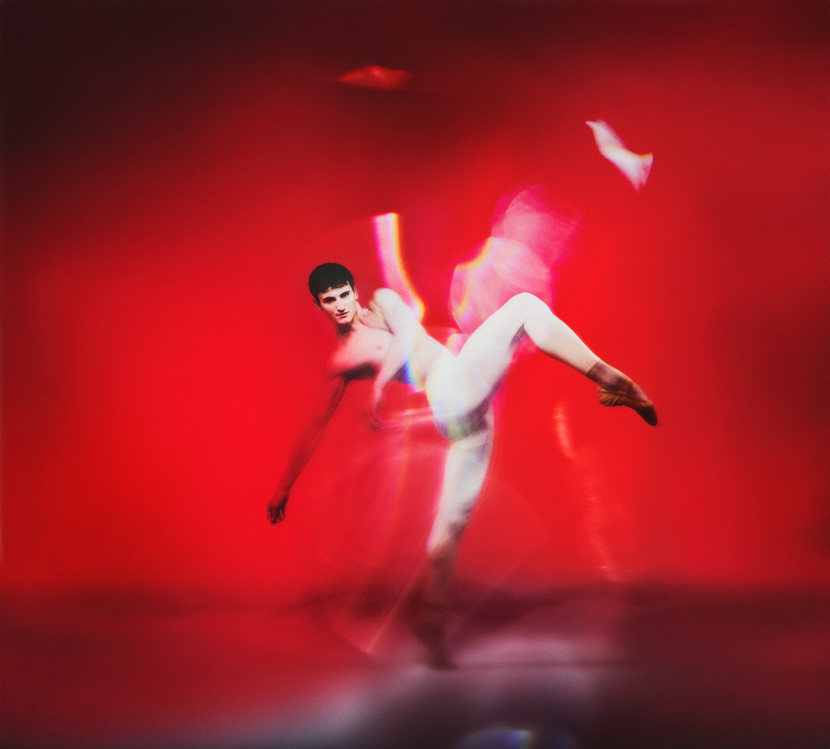
As with any story ballet, developing the vibrant world of Don Quixote requires more than technical virtuosity. A deep commitment to acting and characterization allows the dancers to not only embody the choreography but also the spirit of each role.
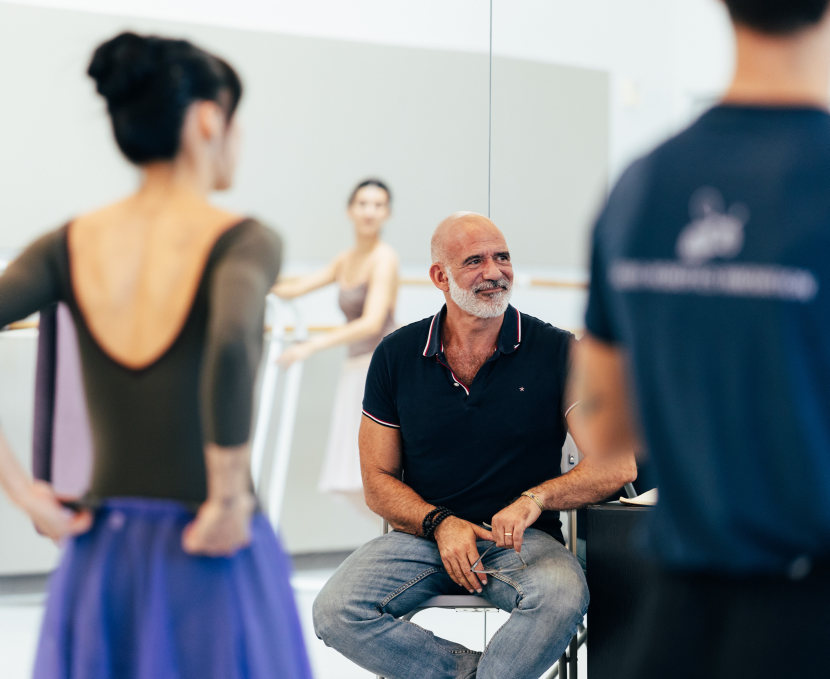
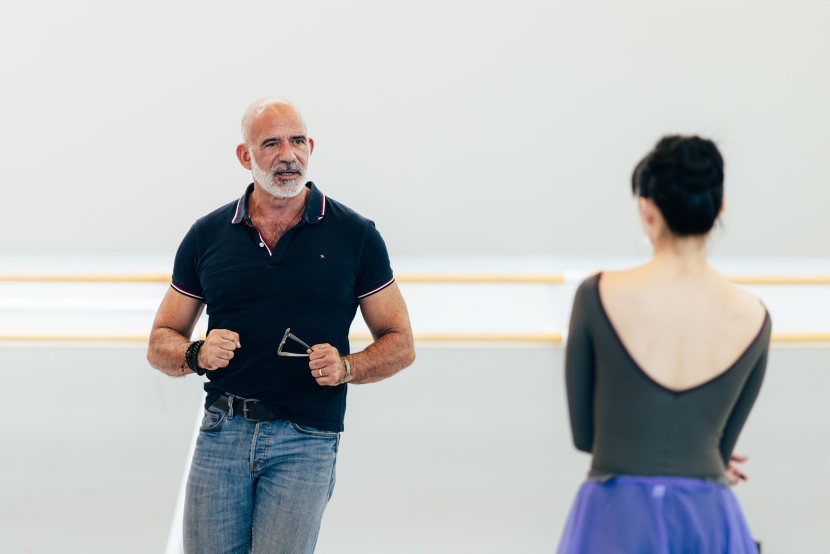
Acting coach Javier Galito-Cava plays an essential role in guiding the dancers through the process of bringing vitality to their characters. Having trained at the San Francisco Ballet School from 1988 to 1993, Cava began working with musicians, dancers, and opera singers to bridge classical technique with artistry and human expression. He returned to San Francisco this season to support our dancers in bringing this iconic ballet to life.
SAN FRANCISCO BALLET: What is your role as an acting coach for Don Quixote?
JAVIER GALITO-CAVA: I’m here to help the dancers find the characters and develop them in Don Quixote. In a way, it’s like coming back home. It’s just a beautiful sensation to have both my passions combine–ballet and acting–and to be able to help these amazing dancers put their humanity and artistry into the wonderful technique they already have so they could say so much more.
SFB: Don Quixote is often seen as a lighthearted comedy. What do you see beneath the surface?
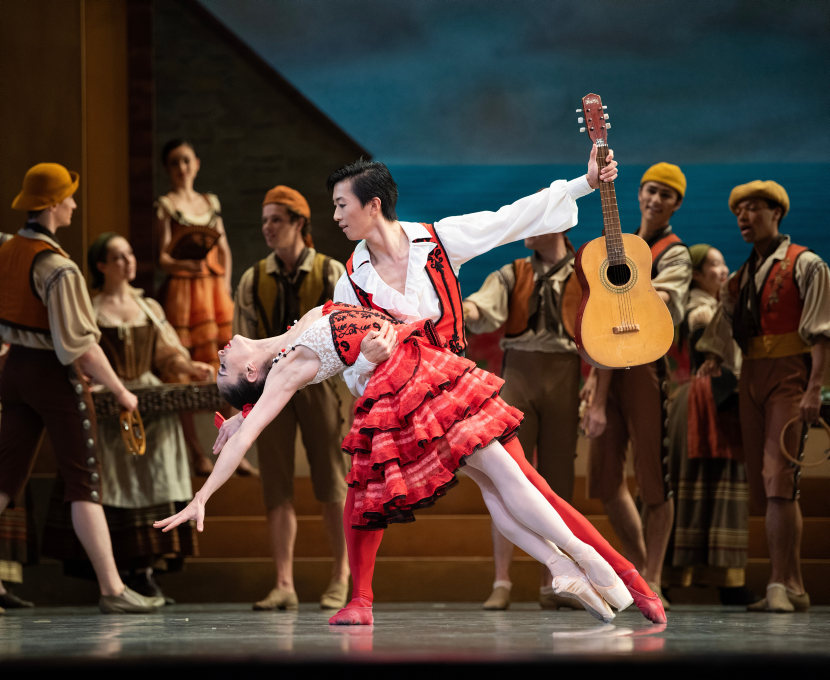
JGC: One of the things that many people in the audience might take for granted is that they see Kitri and Basilio and immediately [think] it’s a love story. But like every love story, there’s the falling in love part, and what we forget is how scary it is. We just want the fairytale, but how about the fear? How about when you suddenly realize that you need someone?
Of course, Don Quixote also has fear. I find it fascinating on the surface, [he] might look like a crazy, delusional old dude. When we look at the humanity of Don Quixote, aren’t we all there? Don’t we all have dreams? I think that he is actually a very brave soul who dares to say, “The world might consider me a fool, but I am going to be who I am.” Changing that aspect and giving Kitri permission to see Don Quixote not just as a poor old soul, but a man of integrity who is risking everything to live his dream. That to me is beautiful.
SFB: What is happening emotionally for Kitri and Basilio as their relationship evolves in Act II?
JGC: That’s my favorite scene, actually. It’s when they decide to run away, because it’s obvious that Lorenzo, the father, is not going to allow this relationship to be explored. They get to talk to each other for the first time. Instead of pushing, [Basilio] gives her space and understands her pain, and proves to her that he loves her so much. He listens first, plays the guitar for her, and doesn’t make her stay. For Kitri, it’s the first time that she lets a man see her vulnerability. She comes into act II believing that love is a story and finishes the first part of the Act knowing that real love exists.
SFB: How do you help dancers balance technique with character and storytelling?
JGC: With these classical pieces, especially, we tend to go into the style. I’m looking for those moments where the technique requires all the dancer’s focus, and they go into performance mode instead of living in the moment. I give each dancer specific phrases to refer to, so the acting is already imprinted. We do the work [in rehearsal] so it’s second nature once they’re on stage.