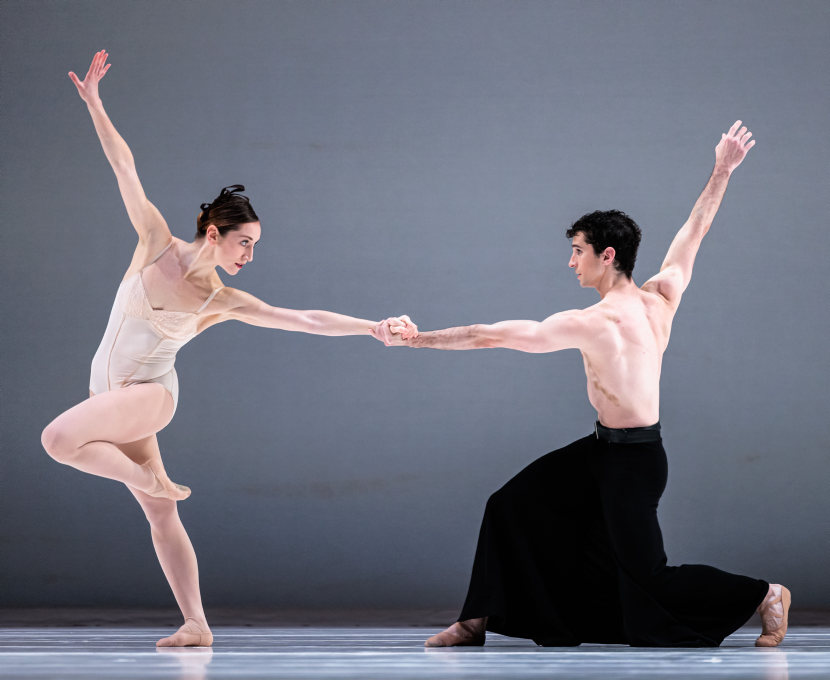
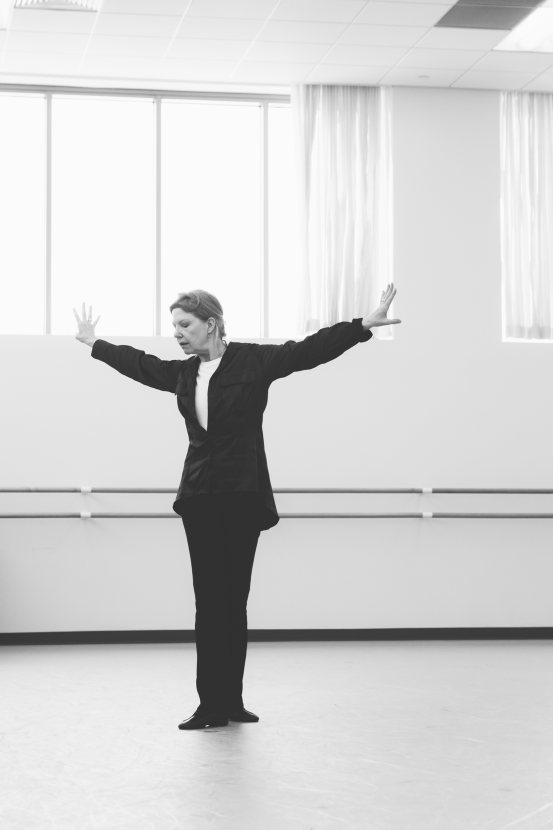
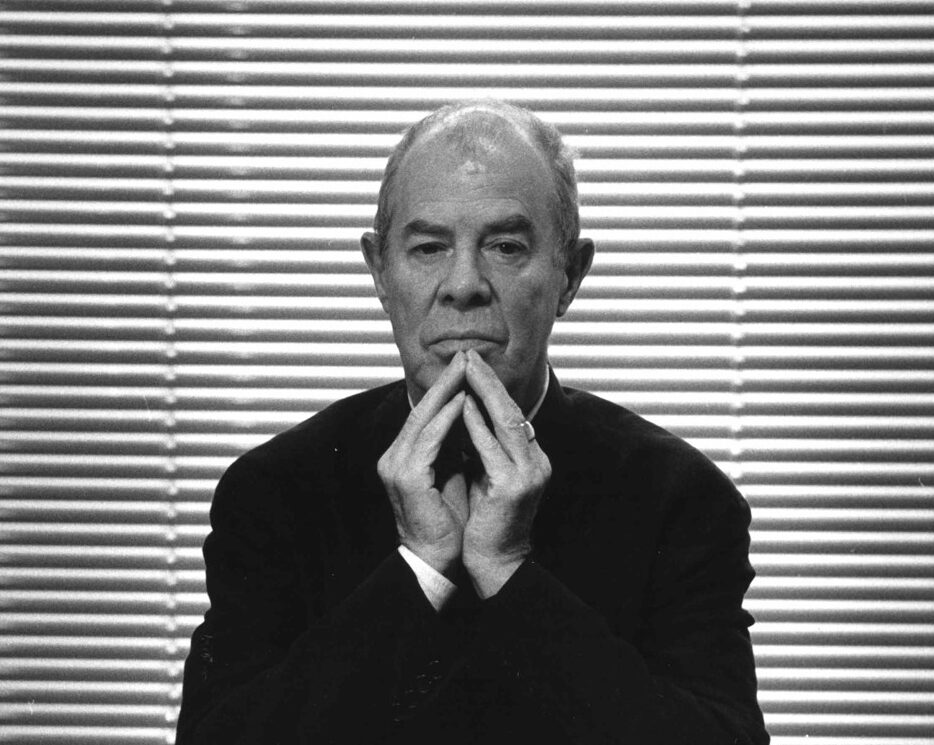
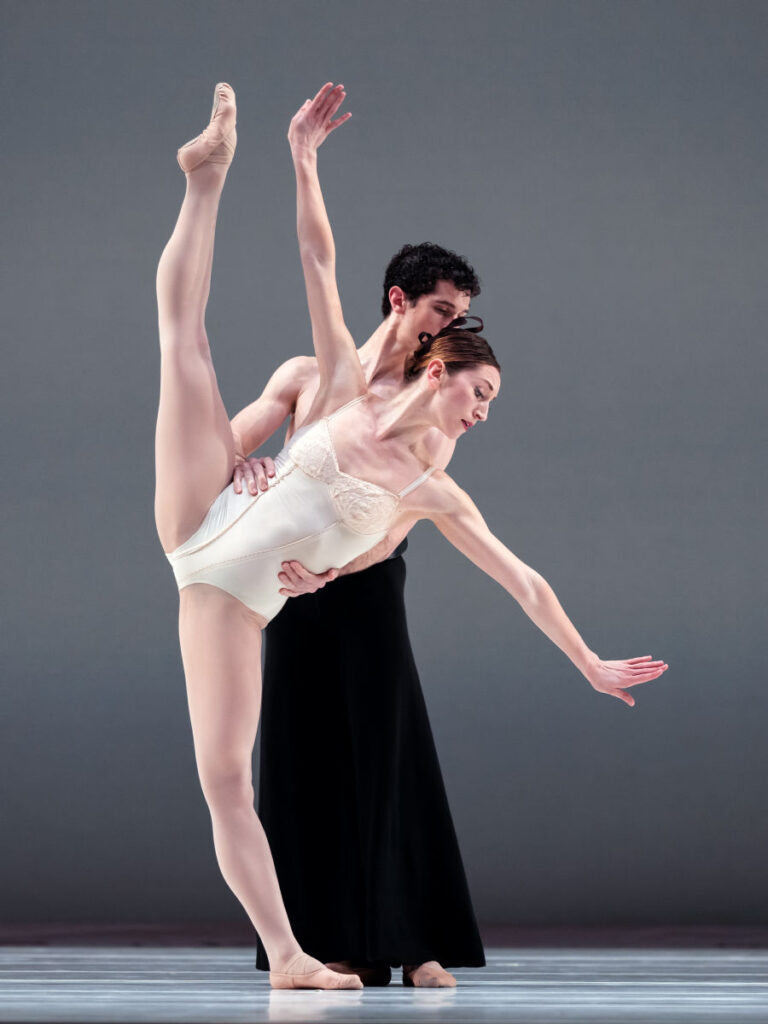
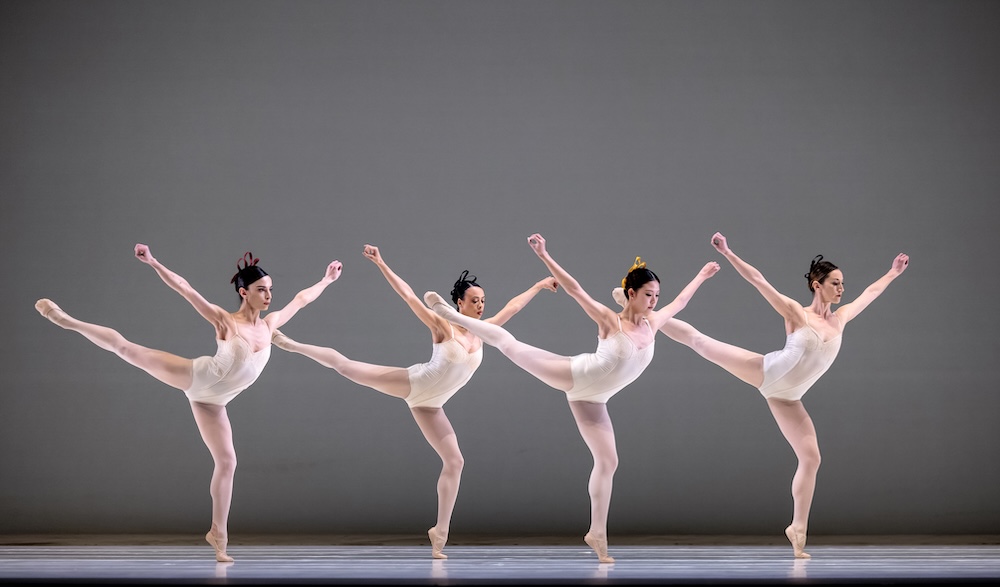
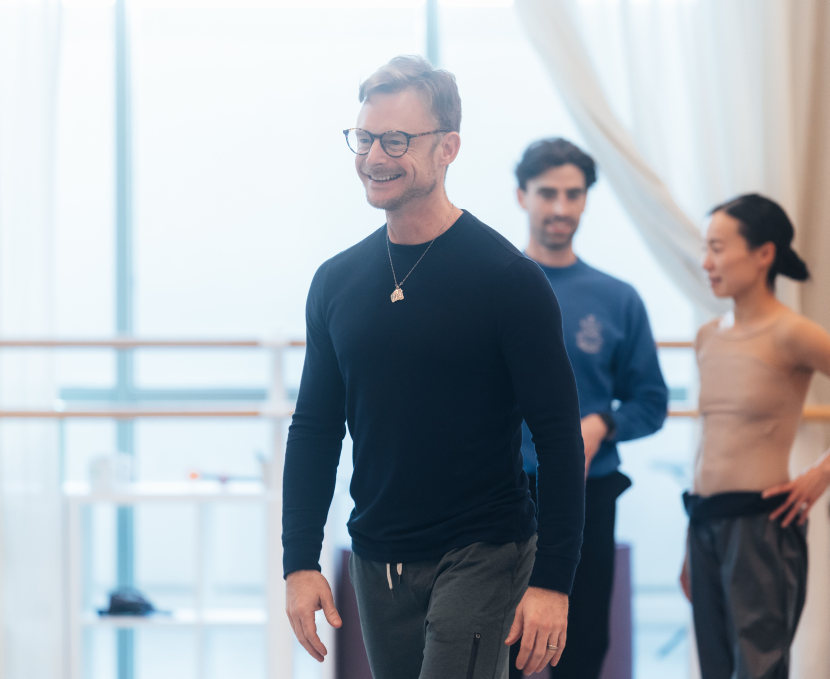
This Season, Tamara Rojo has curated an evening dedicated to three iconic choreographers, including the celebrated Dutch choreographer Hans van Manen. We sat down with stager Rachel Beaujean who was in our studios setting Grosse Fuge.
SAN FRANCISCO BALLET: Can you share a bit of background on Hans van Manen?
RACHEAL BEAUJEAN: Hans van Manen is one of the most important choreographers of this time. He’s certainly the most famous in Holland, but also abroad, because his works are performed all over the world. His work is very much alive. He created 150 ballets in his career.
He was the director of Netherlands Dance Theater for 10 years, the house choreographer for the Dutch National Ballet and Netherlands Dance Theater, and resident choreographer at the Dutch National Ballet. He was also the patron of the Dutch National Ballet School.
RB: There’s lots of movement in his work. It’s very earthy and grounded. He didn’t want much difference between men and women, it’s about people. He was very interested in the emancipation of people. And gay people, in particular… If you look back at how old his works are, it’s quite revolutionary, and things are still applicable for today’s audience. They don’t look old-fashioned. His works look modern. They still feel fresh.
SFB: What was his creation process like?
RB: He’d been told many times by the musicians how musical he was…he was self-taught because he didn’t read music. So he felt it. And you actually see his music through his ballets. The choice of music is beautiful always, and it was very important for him.
He knew the music by heart, but the steps he created with the dancers. For instance, in my case, he came in and he tried some things. And he was such a good dancer. So you would want to copy him being able to do what he could do so well, the timing and the musicality. And then he’d go, “Well, no, keep that and do this. And that was good.” You made a mistake. He used it. So it was like a back-and-forth of trying things out and both sweating and dancing around the studio.
And of course, he made the ballet. But, the dancers were very involved, and it’s so nice when dancers now do the ballets that already exist, there’s always room for personal interpretation within the given frame. So you always feel like you can contribute something, which is exciting.
SFB: How has it been setting these works here at SF Ballet?
RB: The dancers of San Francisco Ballet know how to move. I think American dancers in general or American companies, because we have people here from all over the world, are interested in taking risk. It’s also due to Balanchine and his legacy. And that’s fun to work with. The SF Ballet dancers are loving it. They’re going for it.