A deep dive with La Sylphide stager Ulrik Birkkjaer
In the 19th century, during a revered period of creativity and innovation in Denmark, choreographer August Bournonville cemented his place in dance history. With contemporaries such as author Hans Christian Andersen and philosopher Søren Kierkegaard, Bournonville’s works contributed to an era known as the “Danish Golden Age” for its cultural richness and success on the world stage.
As a choreographer with the Royal Danish Ballet for almost 50 years, Bournonville crafted a style that was uniquely his own — a movement vocabulary now synonymous with the Danish school of ballet.
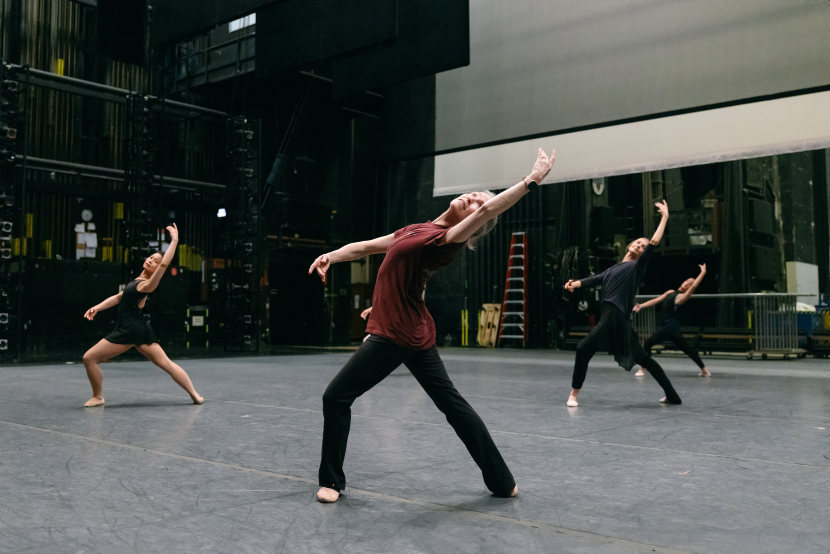
Ulrik Birkkjaer, former San Francisco Ballet principal dancer and current stager for La Sylphide, was born in Copenhagen and grew up studying Bournonville style at the Royal Danish Ballet School, later performing professionally with the Royal Danish Ballet. Ulrik retired from the stage in 2022, but this season, he returned to San Francisco to stage this beloved production on our dancers.
SAN FRANCISCO BALLET: Ulrik, when were you first introduced to the Bournonville style?
ULRIK BIRKKJAER: At the Royal Danish Ballet School, you’re onstage with the professional company very, very young. My first Bournonville experience was at age six. Bournonville always used kids in his productions, and since he is such a big part of the world dance heritage, at eight or nine years old I was already in California touring La Sylphide. It was a really magical upbringing. I appreciate how well I know the ballet by now, over 30 years later, having done most of the male parts and seeing it every year for decades. It’s fun to now get the opportunity to help stage La Sylphide here in San Francisco.
SFB: What makes the Bournonville style so unique?
UB: Bournonville actually wrote a whole manifesto describing what he appreciated in dance and what he thought his work should look like, what it should communicate to the audience. For him, the movement was always an expression of joy. In all of his ballets, the story is told by mime, and in happy moments, people start dancing.
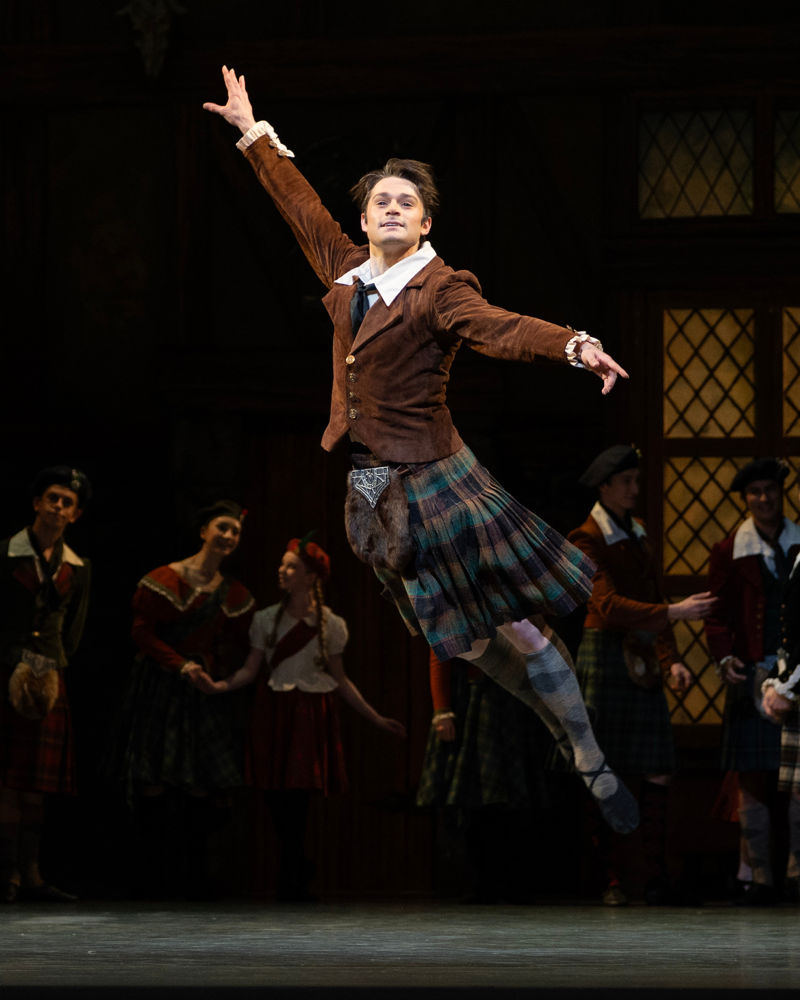
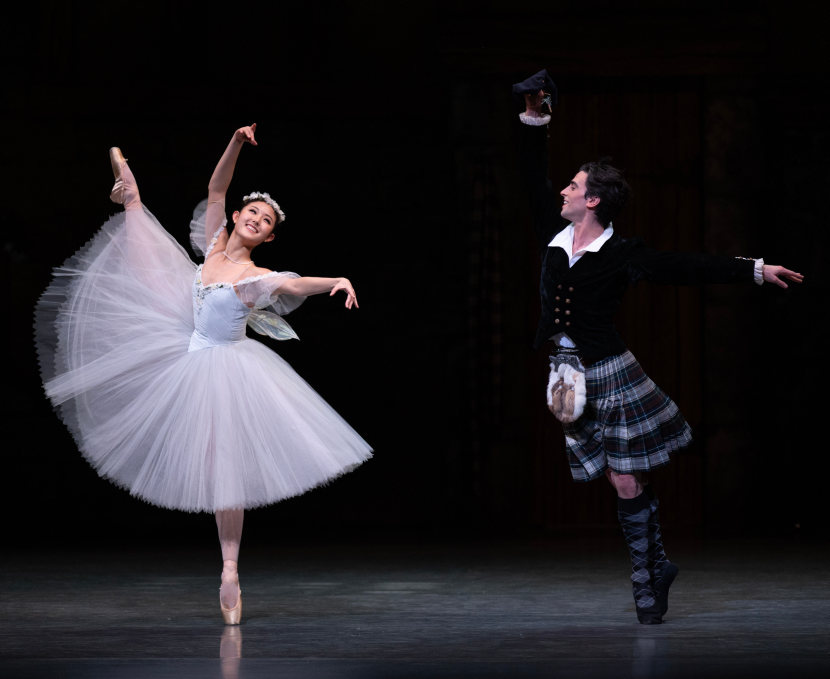
Bournonville himself was a very good dancer, but a terrible partner, resulting in his ballets not having much partnering in them. He performed as James at the opening night of La Sylphide, so of course, his choreography showcased what he was good at: jumping a lot
and quick footwork, like the legs scissoring in the air. In his manifesto, he described how he wanted dance to be harmonious, and therefore, the movement of the upper body is quite calm, clean, and slow. You’re kind of drawing in the air more and trailing with the back of your leg. This harmonious appearance makes the movement look effortless, but is very, very difficult to achieve. You could say that the upper body is the melody and the legs are the rhythm.
Bournonville ballets can seemingly have little actual dance in them, there’s a lot of mime and a lot of gestures, which can seem foreign to a contemporary audience, so i think I would suggest that you really just sit there with your senses open and look at the dancers the artists, what they’re trying to tell you through their miming through their body language and go along with the story. That’s the beauty of it all.
SFB: What should audiences take away from the story of La Sylphide?
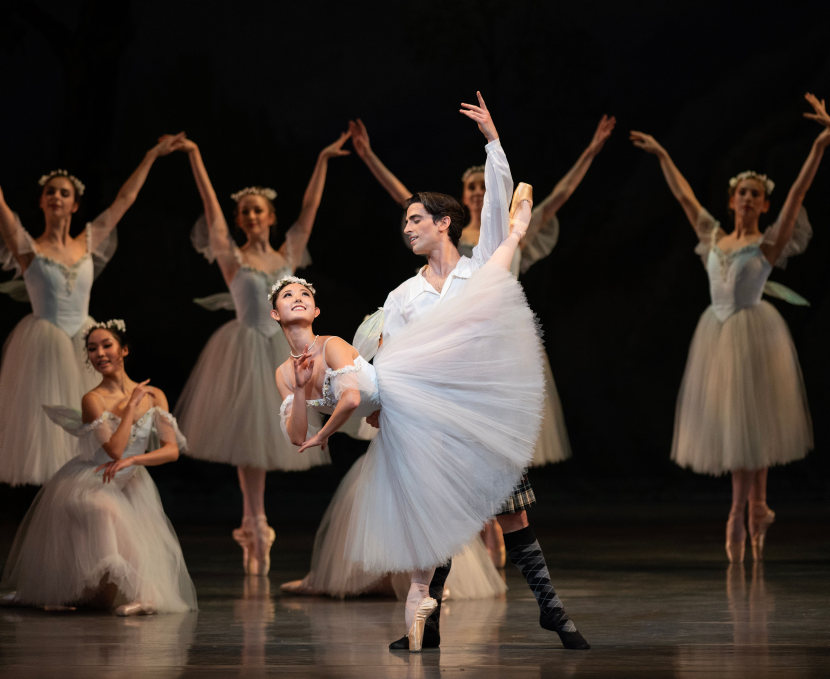
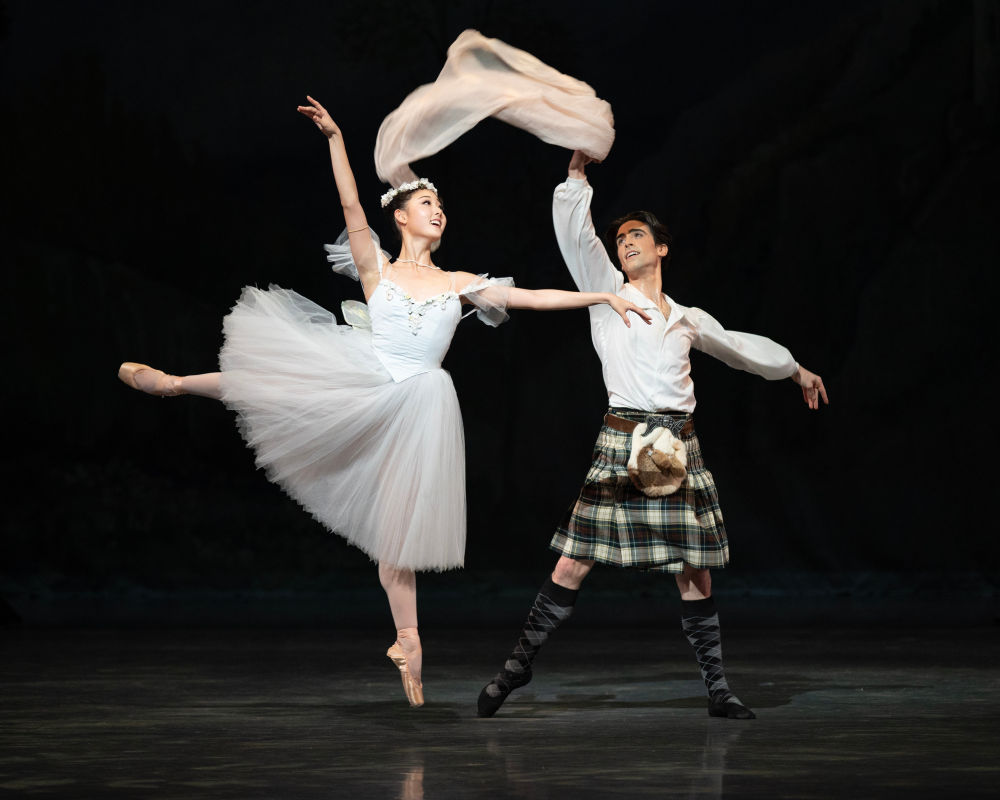
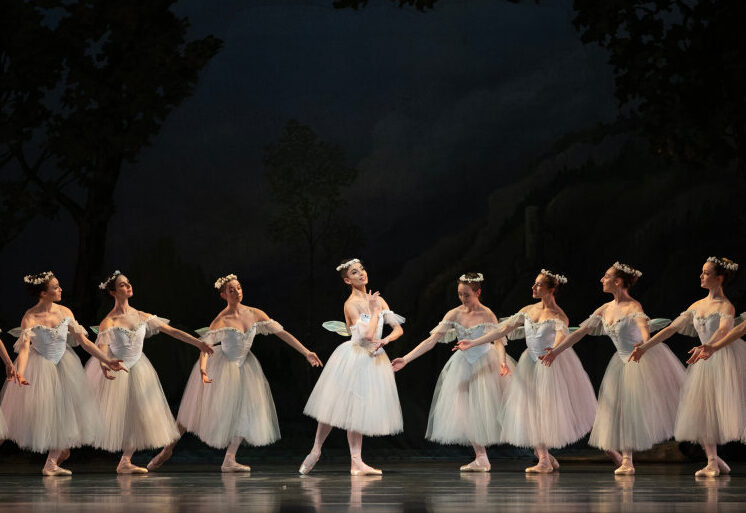
UB:La Sylphide is a story about humanity. It’s a story about someone, James, seemingly having it all, but still wanting more. I think all human beings can relate to that. We never see anything wrong with his fiancée, Effie, yet James meets the Sylph, this creature of the forest who is otherworldly and all the best parts of the human imagination, and it’s hard for James to not follow her. In 2025, I’m trying to not make it a story about a man choosing between women – it’s a story about how enough is never enough, how we always want more, and the effect that has on a human being. That, for me, is the moral of this story and why it’s still so alive today.