Skip to content

Sasha De Sola: Seeing the Whole Canvas

Leadership lessons from my Raising Leaders Fellowship

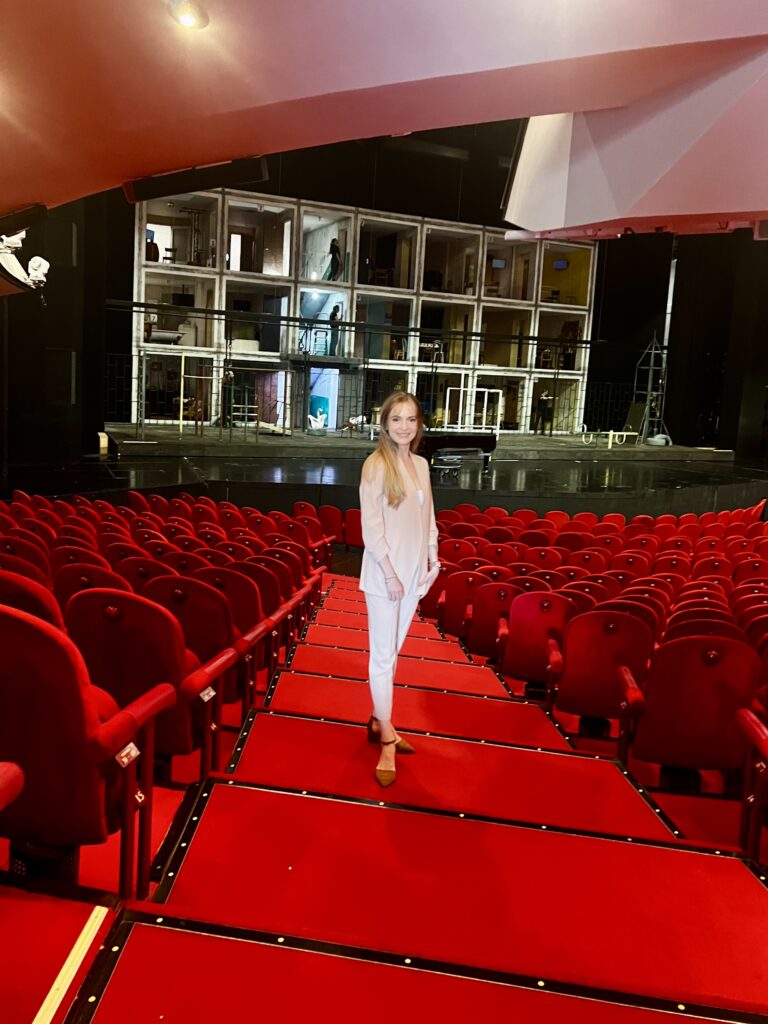
When I was first named an inaugural Raising Leaders Fellow a little more than year ago, I could not have imagined how deeply impactful it would be for me. What made this year-long fellowship so special was that it gave me the chance to explore my interests beyond the stage all while in the midst of my performing career. Working closely with the hugely inspiring Kerry Nicholls and Tamara Rojo, I was able to articulate my areas of focus, and together we designed an experience that fit around my performance and rehearsal schedule.

The fellowship began with a series of executive coaching sessions led by Stanford’s Rania Sanford, followed by a site visit to LinkedIn alongside fellow Julia Rowe and guided by Roxane Bal. I also had the opportunity to speak with some department heads at San Francisco Ballet, deepening my understanding of arts management from multiple perspectives.

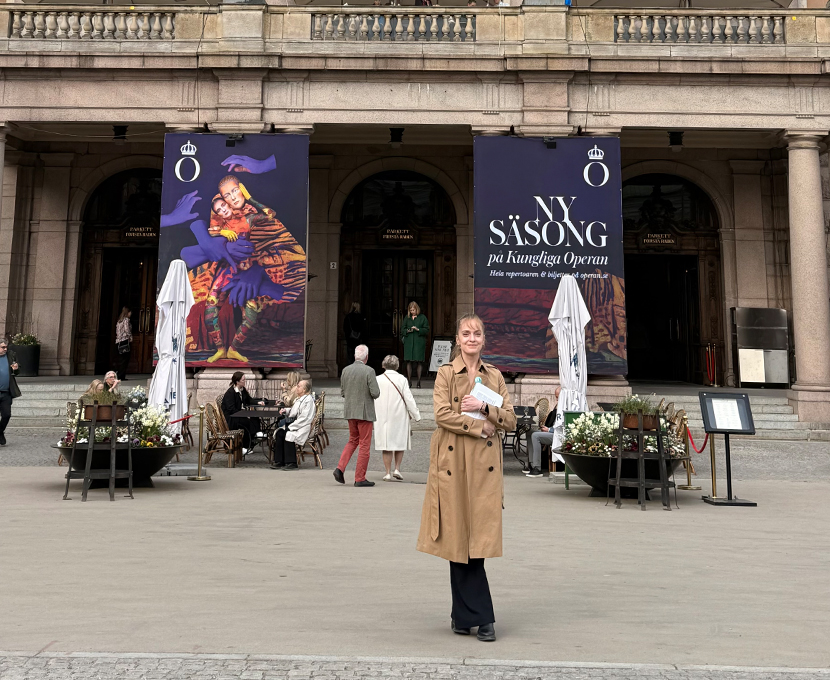
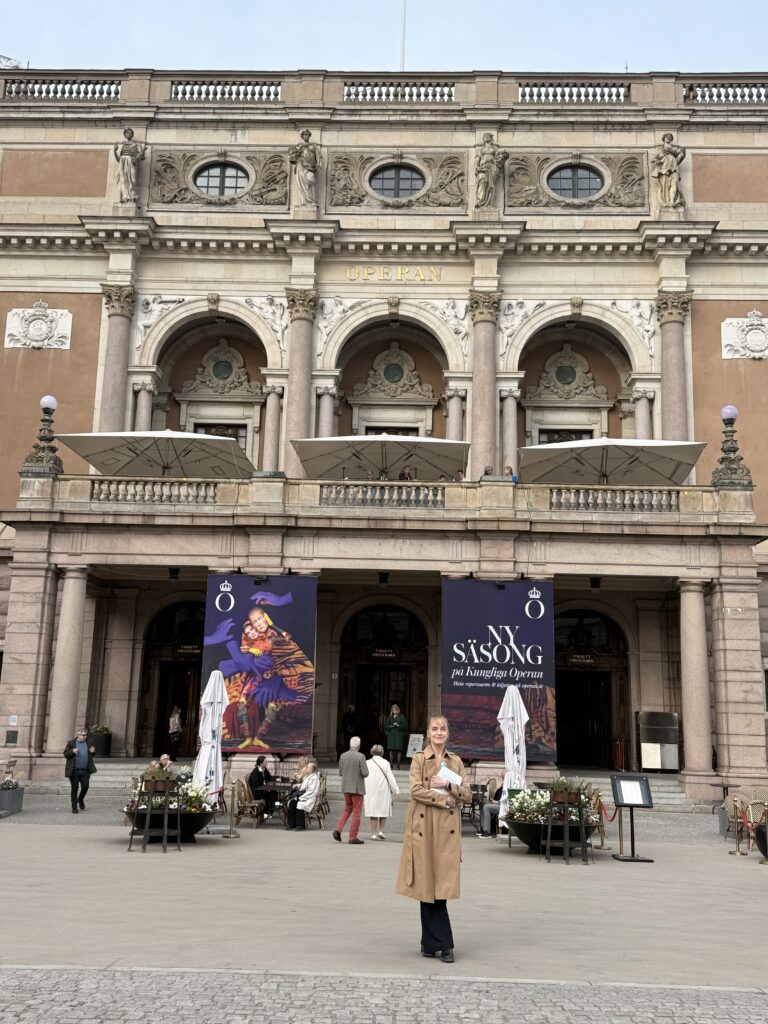
It all culminated in a transformative three-week residency — two weeks with the Royal Swedish Ballet and one week with the Dutch National Ballet — guided with remarkable care and insight by Kerry Nicholls. I observed rehearsals, joined in on programming meetings, and met with department heads throughout all areas of the institutions, and spent invaluable time with Artistic Directors Nicolas Le Riche and Ted Brandsen. I gained a richer understanding of the European model of arts institutions and better understood how economic, cultural, and social contexts shape decisions. This experience became one of the most invigorating and transformative moments of my career beyond the stage.

But before I share what I learned, I want to begin with a story.

Leadership Is Like a van Gogh Painting

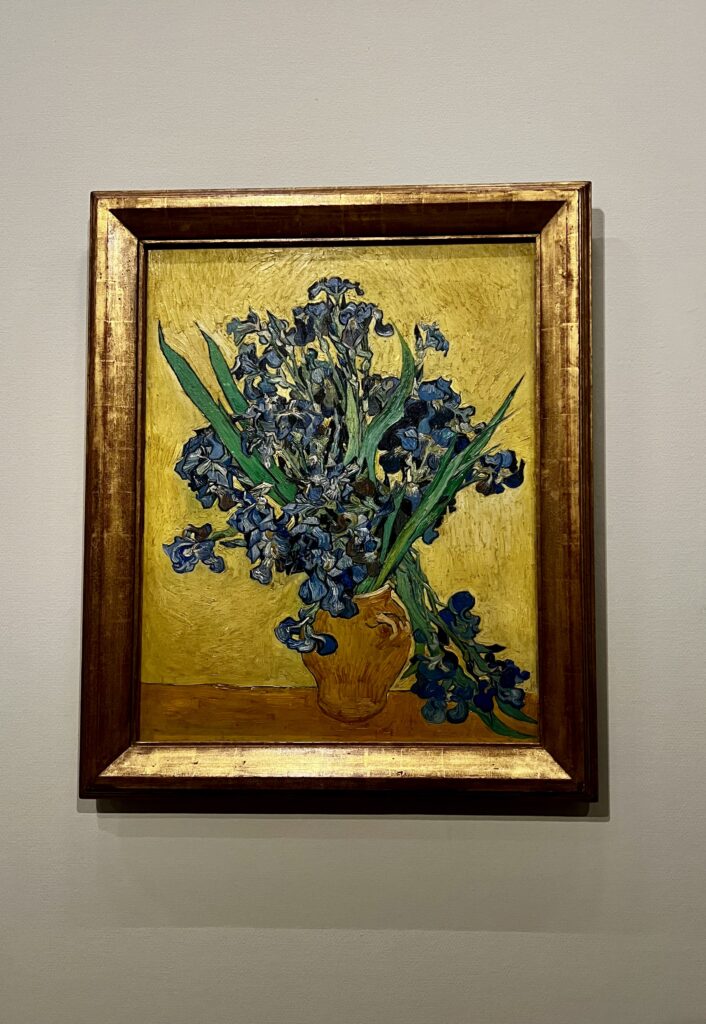
The life and work of Vincent van Gogh became an unexpected thread that wove itself through my time in Europe. At the Royal Swedish Ballet, Nicolas Le Riche spoke of Van Gogh as a powerful example. Van Gogh was an artist driven by deep passion, creating not for recognition, but because art was a personal necessity.

In Amsterdam, van Gogh’s presence was everywhere. As one of the Netherlands’ most iconic artists, his legacy was not just preserved but celebrated.

In reflecting on my experiences and the omnipresent influence of van Gogh, a metaphor began to take shape that helped me make sense of everything I learned: leadership is like a van Gogh painting. At first glance, it’s dynamic, emotional, and bold. But when you get closer, you realize it’s composed of thousands of individual brushstrokes. Each one small and intentional, yet critical to the whole. Arts leadership abides by the same concept. You can’t create something lasting and innovative without seeing both the big picture and the details it takes to get there.

A Personal Shift

I’ve always had interests beyond the studio, but the Raising Leaders Fellowship truly empowered me to prioritize them. I had already begun exploring growth opportunities, such as earning my degree from Saint Mary’s College, completing a specialized business course for professional athletes through Harvard Business School, and pursuing entrepreneurial and impact-driven projects like organizing annual dancer visits to UCSF Benioff Children’s Hospital and launching a charitable jewelry line with Fiat Lux. Through it all, I remained wholeheartedly committed to my work as a dancer. But I was also curious about what it might look like to expand my impact within and beyond the world of ballet.

Raising Leaders gave me the space and support to tap into a deeper sense of confidence, capability, and creative thinking. It helped me affirm my belief that expanding my impact beyond the stage doesn’t mean I’m any less dedicated as an artist. In fact, it’s the opposite. It also connected me with a network of professionals who care deeply about the future of our art form. I found myself engaged in meaningful conversations with the current leaders of cultural institutions as well as some dancers who shared this same passion. These artists, like me, were beginning to see leadership as an extension of artistry.

Most profoundly, I was moved by the shared devotion to ballet. I truly felt the collective commitment to honoring its past, present, and future. That passion fueled my own sense of purpose and responsibility to care for this art form I love.

It was here that my van Gogh metaphor came vividly to life. As I moved through each company, I saw that great leaders make small decisions with a clear, long-term vision in mind. Just like a painter, they understand that every brushstroke builds toward something greater.

Let me share six of the brushstrokes, or six leadership lessons, that have reshaped how I think about leading in the arts.

1. Build the Right Team

Leadership is about bringing together people whose values, strengths, and aspirations align with the organization’s vision. At the Royal Swedish Ballet, Nicolas emphasized the importance of intentionally building a team. He spoke in particular about his relationship with Mikael Jönsson, the Administrative Director and his right hand. Their partnership was a key driver of success, not only because they had built deep mutual trust, but also because they had clearly defined roles and responsibilities. This allowed each of them to focus and excel in their respective areas, while leading the organization with unity and clarity.

2. Steward the Craft

Both companies modeled a deep commitment to artistic excellence and decisions were intentionally rooted in a sense of stewardship. Great leaders see themselves as caretakers of the art form, responsible for its integrity and evolution.

3. Lead as an Act of Service

Nicolas also described leadership as an act of service—to the art and to the artists. He asked a question that continues to resonate with me: “How can I contribute as a service to them?” That perspective affirmed leadership as facilitation in creating conditions where excellence can flourish.

4. Set Expectations Clearly

In both Stockholm and Amsterdam, I was reminded that clarity builds trust. Setting clear expectations around goals, roles, and standards empowers individuals to take ownership. That sense of ownership fuels pride, which audiences can feel.

5. Program with Vision

In Amsterdam, I saw how programming decisions are deeply rooted in the company’s history. For example, Ted shared with me how Balanchine gifted several of his works to Dutch National Ballet’s founder, Sonia Gaskell, making it one of the few European companies to carry a distinctly American repertoire in the early years of the company. Today, that legacy still echoes through their seasons, but it’s also balanced with a strong commitment to highlighting Dutch choreographers and embracing global artistic voices. In Sweden, I was reminded that audiences bring their own cultural contexts, expectations, and tastes. What resonates in Amsterdam might not resonate in Stockholm, and vice versa. Programming isn’t just about selecting beautiful or familiar works. It is about curating seasons that fuel and challenge dancers and audiences alike, reach new communities, and hold space for both tradition and progress. This experience reinforced that arts leadership is strategic curation.

6. Communicate with Purpose

At both companies, I saw how honest, open communication builds trust and sparks creativity. During my residency, I made it a priority to create space for all perspectives. I came to see that communication isn’t just about being clear, it’s also about building connection. I was deeply moved by how generously people shared their time, stories, and insights; many eager to pass along the lessons they had learned over their careers.

Looking Forward

This experience has profoundly shaped how I see my own future in leadership. I understand leadership to be both an opportunity and a responsibility to lead with intention, integrity, and empathy. I believe in building teams that elevate one another. In upholding artistic excellence as an act of care. In serving others through growth and community. In communicating with clarity and purpose. And always in keeping sight of the big picture vision that gives meaning and demands excellence in every small action.

These aren’t just professional strategies, they’re personal commitments. They’ve been quietly shaping me for years. But now, thanks to this experience, I have the framework, the language, and the conviction to put them fully into action.

Seeing the Whole Canvas

Van Gogh didn’t paint by accident. Every small stroke mattered. But what made his work unforgettable was his ability to step back and see the whole canvas. Leadership in the arts is no different. It asks us to balance detail and vision. We must ask, “what are we really building?”, and then lay down each brushstroke with intention.

I am deeply grateful to SFBallet, Tamara Rojo and Kerry Nicholls for creating this extraordinary initiative and making space for artists to grow. The opportunity to explore arts leadership while actively dancing is both rare and invaluable, and it’s something that sets Raising Leaders apart. This fellowship has not only enriched my current work but also shaped the way I’ll contribute to the art form moving forward. I’m excited to carry these lessons with me as I continue to cultivate purposeful progress for the art that is my life’s passion.