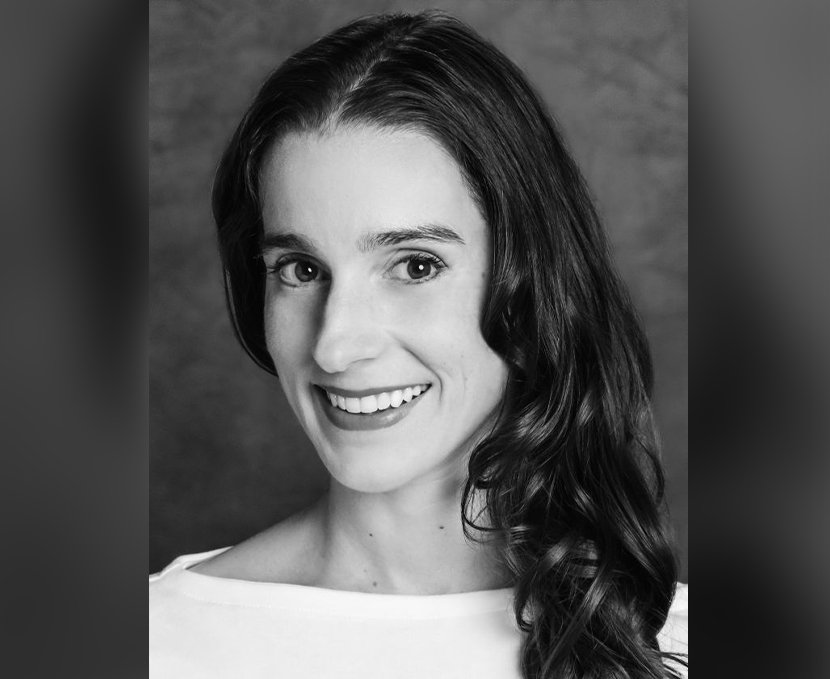
A deep dive into leadership with Soloist Julia Rowe
I am a bunhead. And, like all ballet geeks, when I’m not actually dancing I’m probably talking about ballet, or at least thinking about it. So, I was in bunhead heaven this November when I was invited to travel to Amsterdam to attend Positioning Ballet Foundation’s Forum for Future Dance Leaders.
My Raising Leaders fellowship at San Francisco Ballet has taken me from SFB’s own offices and boardrooms to Stanford, LinkedIn, and now, by attending this Forum, I got to add Nationale Opera & Ballet (Dutch National Ballet) in Amsterdam to the list.
The largest gathering of its kind, 35 future leaders from 14 countries around the globe met for 3 days to dive into various aspects of artistic leadership. We had fascinating and fruitful conversations on topics like future leadership structures, performance psychology, codes of conduct, team building, onboarding, and the realities of the role of Artistic Director. Here in this blog, I’ll take you through my whirlwind three days in the Netherlands.
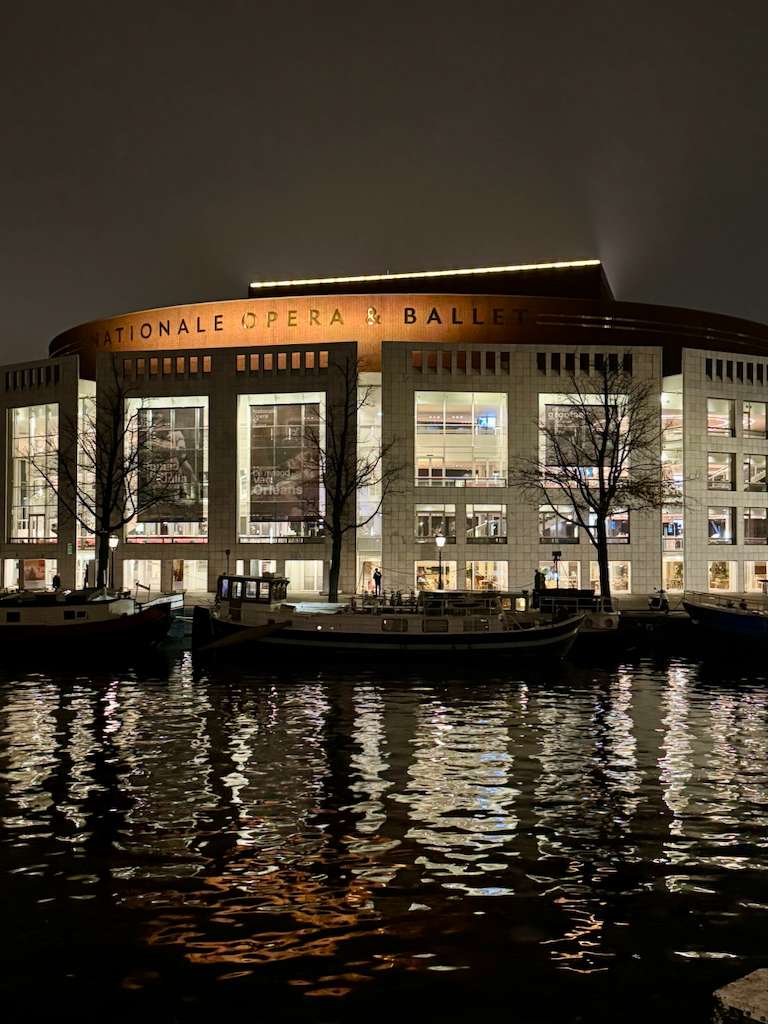
There are certain places that are simply iconic in the ballet world. The Dutch National Ballet is one of them. Situated beside famous canals and centuries-old landmarks, the Opera House is a modern and elegant example of Holland’s rich cultural heritage. Many great artists have created groundbreaking work within its walls. So, it was a huge privilege to spend my days in Amsterdam here and become a part of its history.
First things first, I’m greeted by the Co-founders and Directors of Positioning Ballet, Assis Carreiro and Ted Brandsen. Assis is the former Artistic Director of Royal Ballet Flanders and Director of International Arts and Cultural Projects, and Ted is the Artistic Director of Dutch National Ballet. Both incredibly knowledgeable and experienced leaders, they would produce and facilitate discussions throughout the next three days.
Then it was time to meet my fellow conference participants. What a fantastic group! I met people hailing from all corners of the globe: the UK, Italy, Germany, France, Eastern Europe, Australia, and the Americas. Initially, I wasn’t sure if I would be able to make any meaningful connections in such a short period of time, but it quickly became clear that our shared passion for dance would catalyze our cohort to bond.
Our first guest speaker was high-profile performance and sports psychologist Dr. Tom Bates, who works with organizations such as the English FA, Rugby Union, and Olympic Team GB. He spoke about how leaders can get the best out of themselves and others by understanding human behavior and psyche as it relates to performance and culture.
My key takeaways from Day 1:
Great leaders lead by example. Any desired change is best achieved when you first become it.
Great leaders focus on what is true, not what others think of them.
Confidence comes from mental fortitude. Great leaders practice and teach self-regulation.
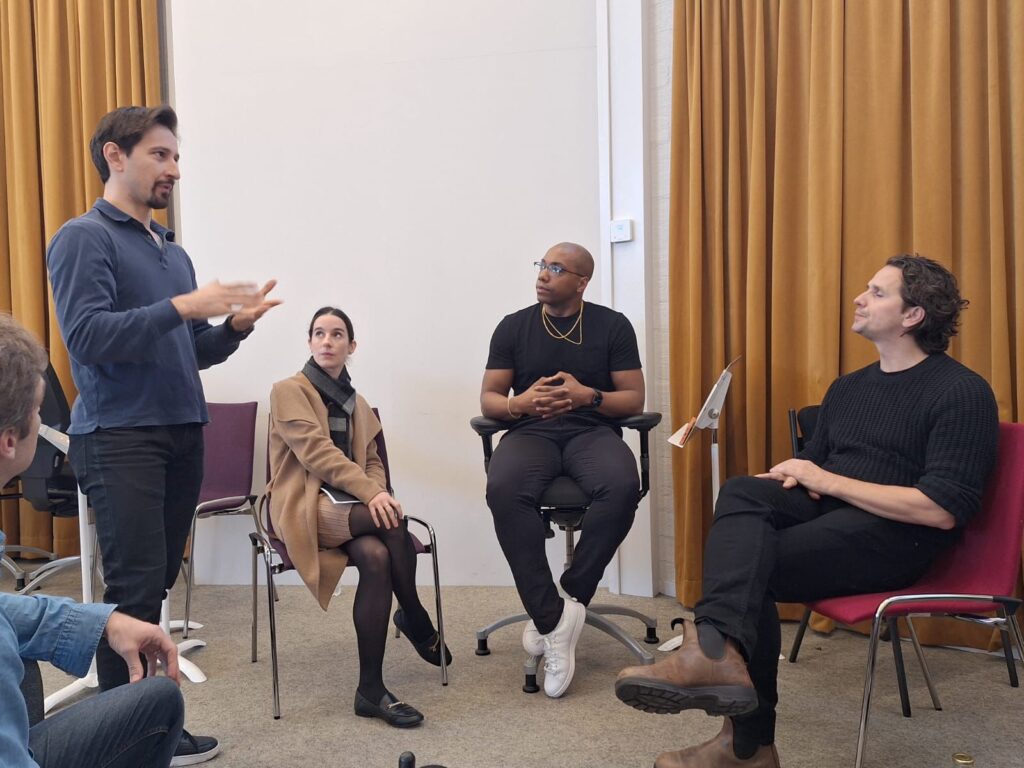
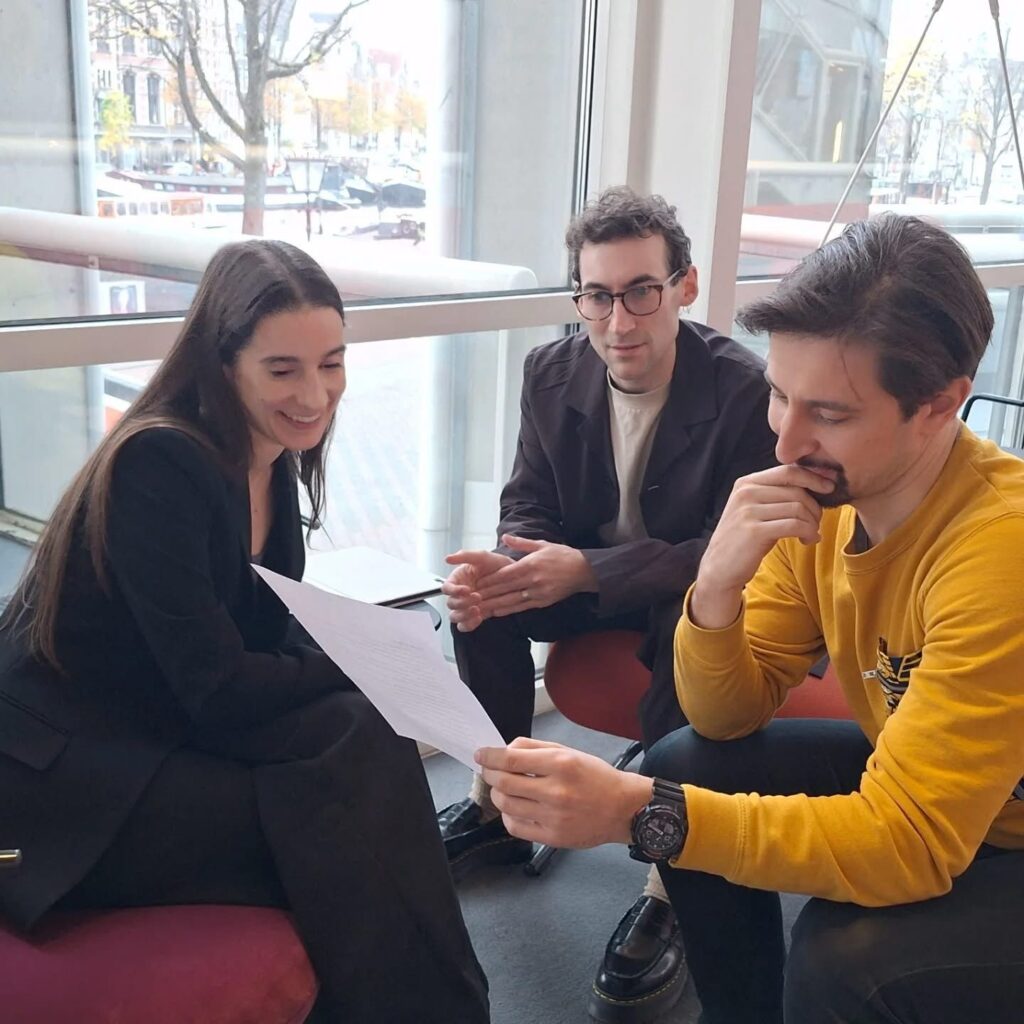
The second day was when I felt our team really begin to bond. Many of my fellow participants were already in positions of leadership around the world. Speaking to them about their realities as rehearsal directors, administrators, and choreographers in places I have never personally visited was a unique opportunity to gain insight into different structures and varying paradigms influencing ballet right now.
Our guest speaker on Day 2 was systematic organizational consultant and leadership coach Christina Barandun. Her focus was on structures, strategies, and tools for building effective creative spaces and efficient businesses. We discussed dynamic leadership, collaboration, managing conflict, and creating safe spaces.
On Day 2, we also had a brilliant discussion with Assis Carreiro and Ted Brandsen about the realities of being an Artistic Director, from the first interview to the first 100 days and beyond. We talked about managing difficult conversations, creating and implementing codes of conduct, and team building.
We also tackled some burning issues facing our artform today. I loved this discussion because it required me to problem-solve from the complex and nuanced perspective of an Artistic Director. It helped me to solidify my values as a leader and allowed me to form actionable solutions to common and perhaps inevitable issues leaders realistically encounter.
We then had the chance to attend a performance of the Dutch National Ballet’s production of Rudi Van Dantzig’s Romeo and Juliet. As a dancer, I loved sitting in the audience, for once on the
other side of the curtain. It was a great reminder of how magical live performance is, and how ballet has the power to bring people together to experience beauty and joy.
For Day 3, there was a fascinating panel discussion on programming and curating led by moderator Peggy Olislaegers (Dutch National Ballet’s Associate on Research and Development) in conversation with Netherlands Dance Theatre Artistic Director Emily Molnar and Samuel Wuersten, Director of the Holland Dance Festival and internationally renowned dance educator.
Along with many other diverse subjects, they discussed joy: what brings them joy and how they endeavor to bring joy to audiences and dancers through programming. I especially resonated with Emily Molnar’s humble and approachable, yet exceptionally intelligent and articulate
contributions to the discussion. I was reminded that humility and courage go hand in hand, and when those two qualities are present, fear has no seat at the table.
Throughout the Forum Assis, Ted, and the guest speakers were incredibly generous with their time, sharing their expertise and extensive knowledge of the ballet industry with us. We kept one another honest and tried to brave the hard truths of being a leader in dance, and we didn’t shy away from tough questions. Throughout it all, we sought solutions that would benefit everyone in proximity to our artform: from dancers, rehearsal directors, and choreographers to board members, producers, and audience members.
I feel I can speak for all of us who attended that the forum ended on a high note. It was tough to say goodbye, but I know that the dance community is interconnected, and I will surely cross paths with our Positioning Ballet community in the future. I hope to continue these important conversations as we build the reality that we envisioned so vividly together over these three days in Amsterdam.