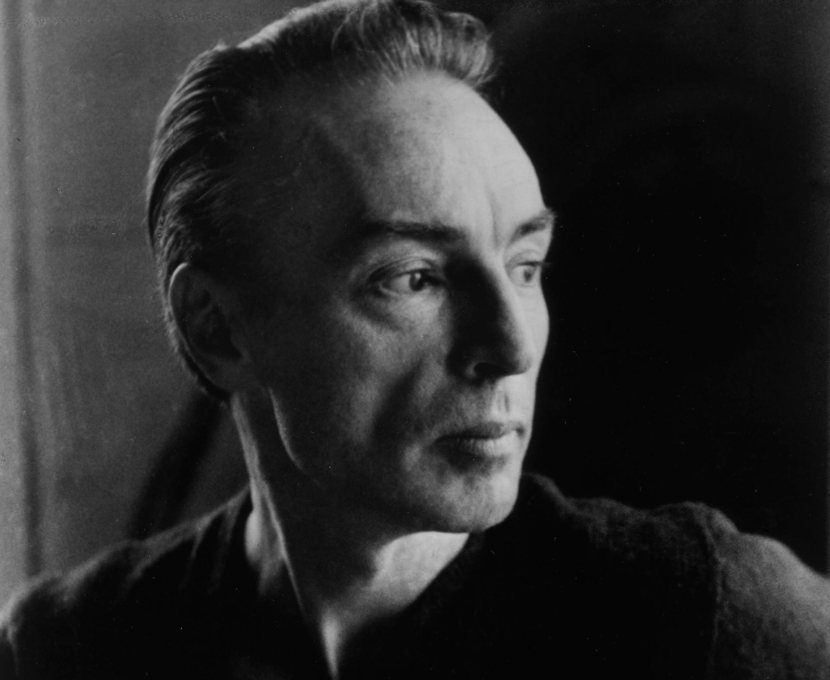
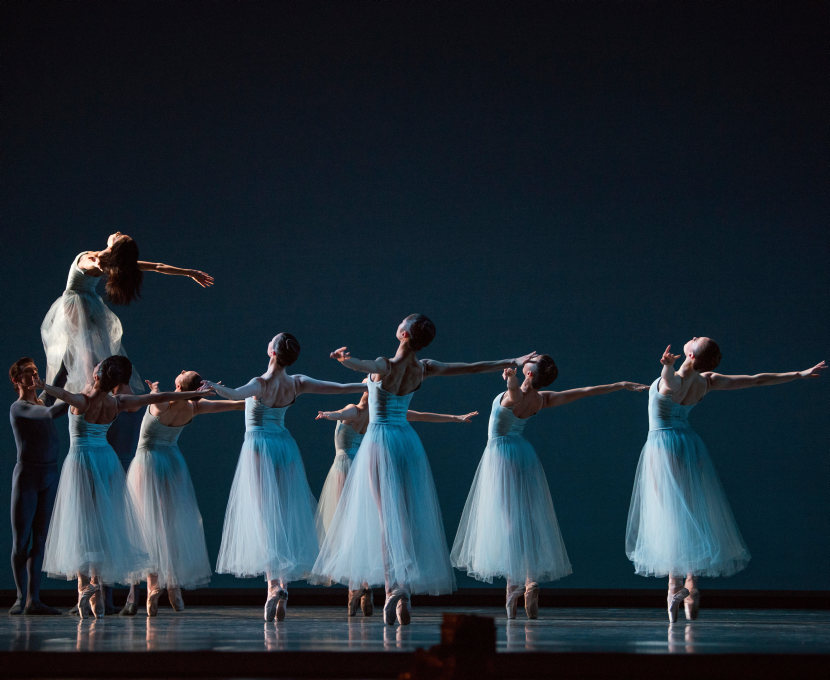
George Balanchine had little interest in dance. A pianist and the son of a composer living in Russia, it wasn’t until his mother made him tag along to his sister’s ballet school tryouts at nine years old that he received greater exposure to the art form. By the start of World War I, Balanchine was a young dance student in St. Petersburg; at 13, he was scavenging for food during the Russian Revolution. He has said he loved Russia but despised the Soviet regime and its repression of artistic freedom. So, in 1924, Balanchine fled his homeland for Europe, eventually migrating to the U.S. before the start of World War II. He, along with many artists and intellectuals, was seeking refuge from rising threats of violence and war in Western Europe.
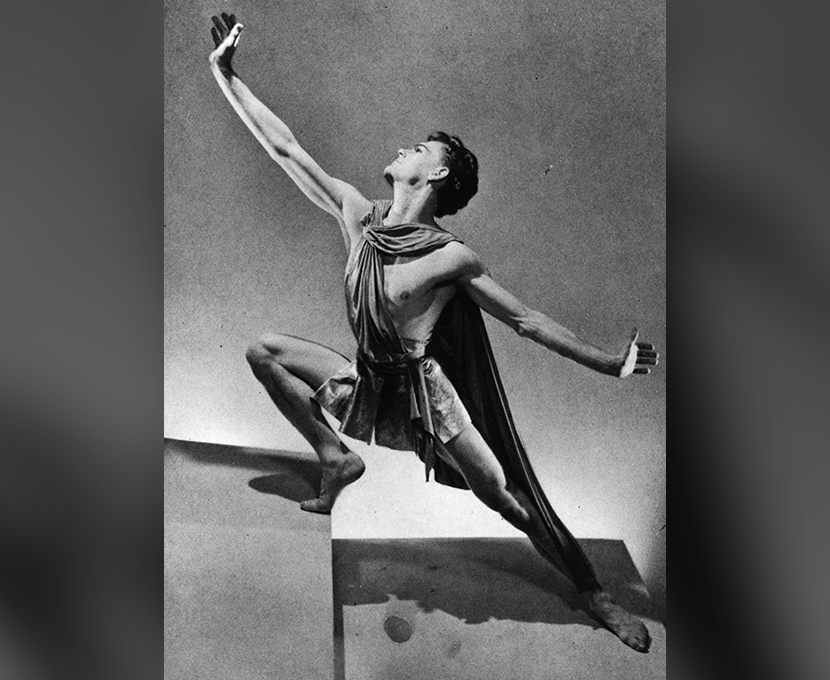
While in London in 1933, Balanchine met American impresario and philanthropist Lincoln Kirstein, who encouraged him to come to the U.S., where the two founded the School of American Ballet in 1934. At that time, Balanchine was also working on Broadway and in Hollywood on such pieces as Rodgers and Hart’s “On Your Toes” and movies such as “The Goldwyn Follies,” lavish musical variety shows/revues that attempted to bring “high art” (classical ballet) to mass audiences by mixing it with popular entertainment—songs, comedy, and romance. Balanchine played a key role in this introduction, eventually becoming one of the defining architects of American ballet.
Balanchine’s relationship with Russia was complicated. Dance historian Jennifer Homans conveys in her book Mr. B that Balanchine’s American ballet work became, in many ways, an artistic and ideological counterpoint to everything the Soviet Union represented to him. He said America offered him artistic freedom, stability, and opportunity. Septime Webre, Artistic Director of Hong Kong Ballet, said, once he was in New York, “Balanchine loved America as, I think, only an immigrant can – with an appreciation for its drive and ingenuity.” And yet, he never really left Russia behind, often incorporating its musical and emotional sensibilities into his work.
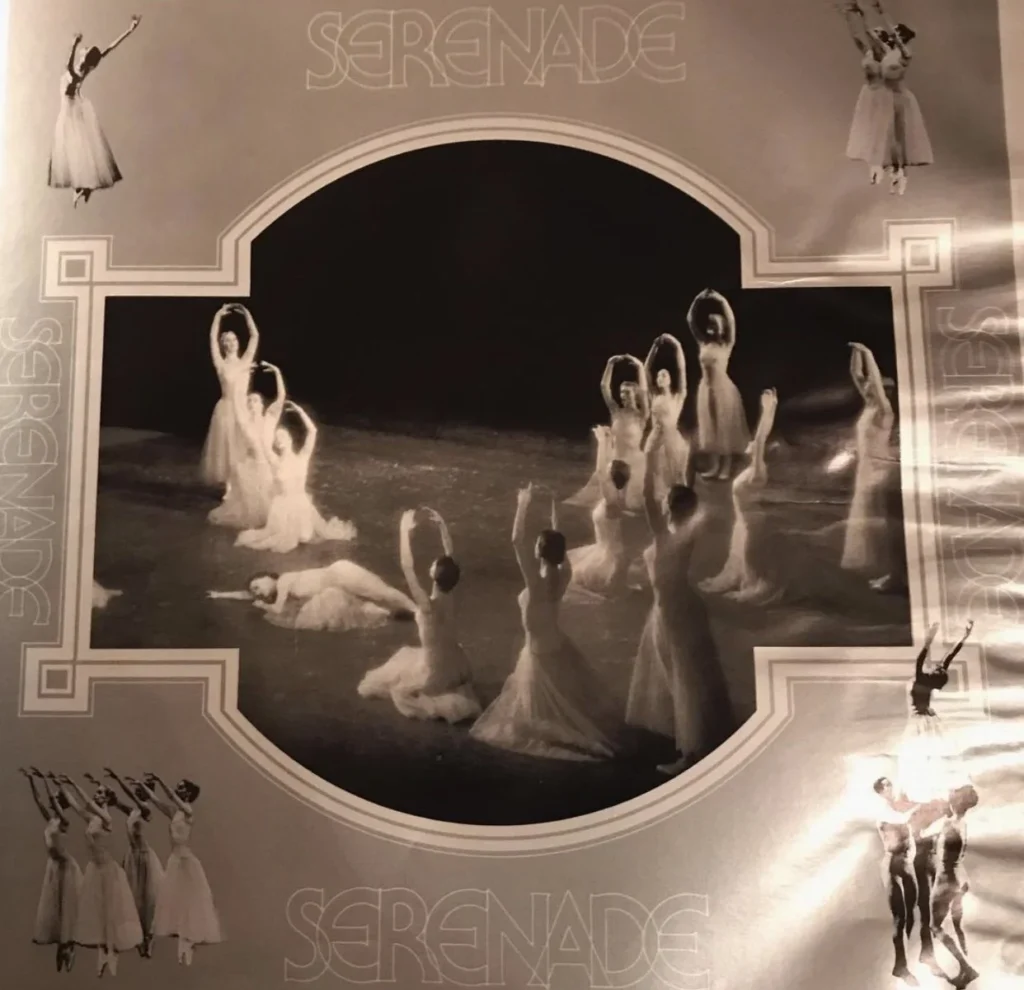
This year, SF Ballet honors the “father of American ballet,” and his artistic journey with a program of three works created during his half-century career in the U.S. Balanchine boldly celebrates his upbringing and personal identity in Diamonds, which evokes, says the Balanchine Trust, “the order and grandeur of Imperial Russia and the Mariinsky Theater, where Balanchine was trained.”