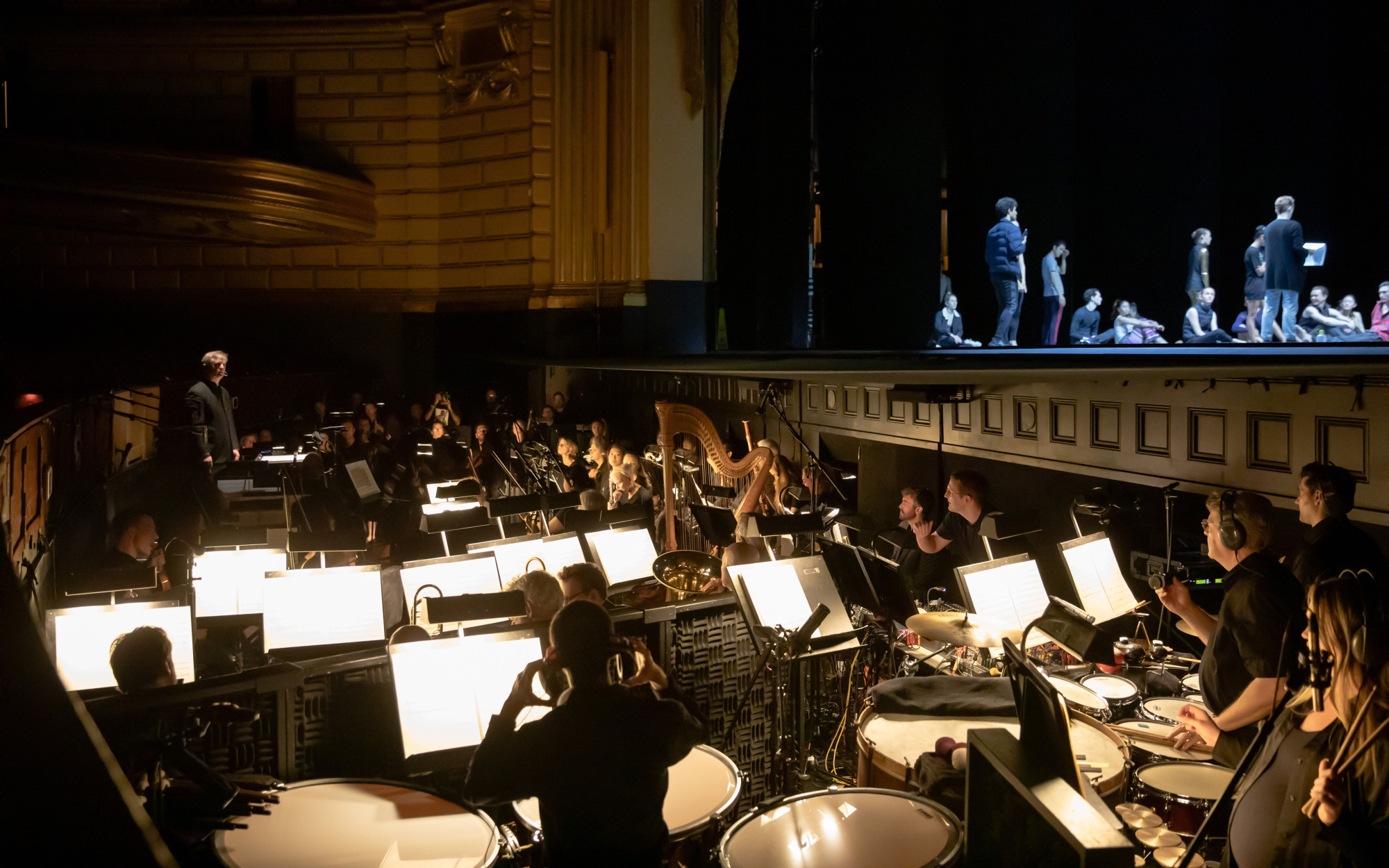
In over 20 years as a music director, this is the first time I will be conducting the premiere of a full-length ballet with a brand-new score: And how worthwhile the long wait has been!
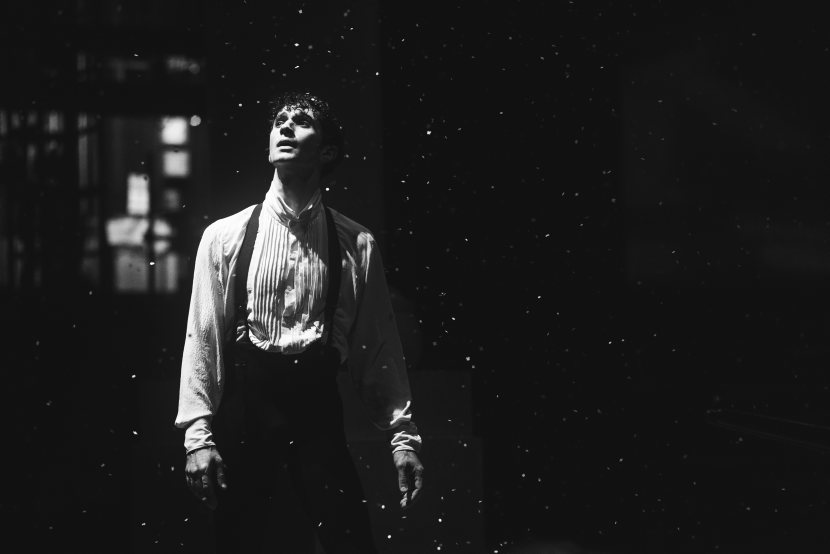
It takes immense talent to create a work that is full of new ideas, yet which is so well-crafted, it immediately feels familiar. In Eugene Onegin, we hear many of the dances that are traditional in any ballet score—Polonaises, Waltzes, and Mazurkas—yet in this ballet, they each have an invention that moves the art form into a new era. For example, every note of the Mazurka in the Larin ballroom scene has the rhythm and unmistakable style of a traditional dance, but somehow the poor musicians playing for the country ball get it “all wrong,” making uneven phrases and wrong entries throughout. The skill of Ilya Demutsky’s composition means that whether the listener is aware of the “joke” or not, the music just flows naturally. Josef Haydn was a master of hiding jokes in his symphonies, and in the same vein, Demutsky creates music at the end of Act II that works on every level possible. What starts as a quirky, country dance develops uncontrollably into a nightmare as Onegin is unable to stop himself and his own joke spinning out of control.
In addition to the big set pieces required by the form of a grand ballet, Demutsky also proves himself to be a master storyteller. He weaves themes of love, death, longing, insecurity, and rejection together over two hours of music. Themes are introduced, often hidden, only to be revealed and reformed into their full glory later. Each occurrence of a theme is accompanied by ever-developing harmonies, which give us an unconscious insight into the deeper, evolving, inner thoughts of the characters. No theme is ever repeated without propelling the story forward.
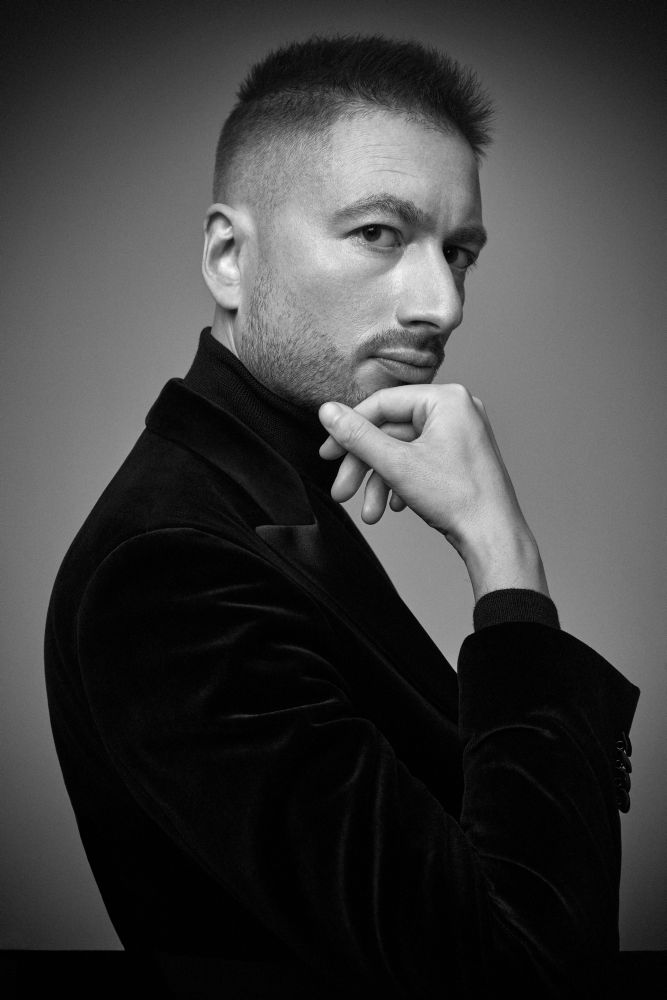
Isaac Newton once famously said, “If I have seen further, it is because I stand on the shoulders of giants,” and Ilya Demutsky, clearly, has crafted this extraordinary score influenced by the great ballet composers of the past. But it’s worth noting that Demutsky is still younger than Prokofiev was when he wrote Romeo and Juliet, and only fractionally older than Tchaikovsky when he wrote Swan Lake. Ilya is much too humble to compare himself with these composers: luckily for us, his music speaks for itself.